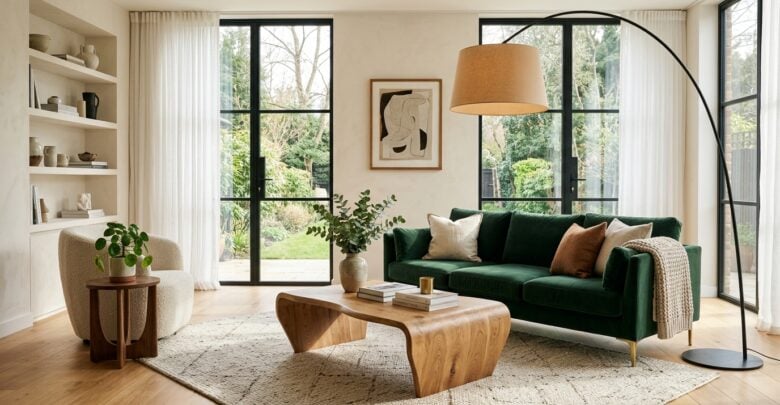
Modern households rarely follow a single, predictable routine. Over the course of a typical week, the same family room might serve as a remote workstation in the morning, a homework station in the afternoon, and an entertaining lounge by evening. When living areas must adapt to so many different demands, rooms can quickly begin to feel chaotic and overcrowded.
Creating a truly flexible home does not require knocking down every partition or investing in custom architectural changes. Instead, it relies on intentional planning, versatile furnishings, and clear visual boundaries. By organizing your space around daily activities rather than rigid definitions, you can craft an environment that feels both open and deeply functional.
Achieving this balance takes a bit of thoughtful observation. When each zone within a room has a designated purpose, household members can share space comfortably without getting in each other’s way.
Assessing Your Daily Flow and Space Needs
Before rearranging furniture or purchasing new organizers, observe how your household naturally uses each area of the house. Pay close attention to where clutter tends to accumulate and where people congregate at different times of the day. Often, certain corners remain unused while a single kitchen counter becomes an overcrowded center for mail, electronics, and food preparation.
Take note of traffic pathways between rooms. A comfortable layout allows people to move from one zone to another without bumping into chair legs or navigating narrow obstacle courses. If a pathway feels awkward or tight, shifting a piece of furniture by even a small distance can make a noticeable difference in daily comfort.
Understanding these everyday patterns helps you decide which zones should remain quiet and which can handle more lively interaction. While substantial family transitions sometimes call for broader architectural adjustments, such as those discussed in our article on planning a multi-generational home renovation, small-scale layout adjustments can solve many routine friction points right away.
Creating Distinct Zones Without Permanent Walls
Open floor plans offer plenty of natural light and an airy atmosphere, but they can make it difficult to focus when multiple activities occur simultaneously. Visual zoning allows you to carve out separate functional pockets within a single open area without sacrificing the sense of spaciousness.
Area rugs serve as one of the simplest tools for defining space. A textured wool rug under a sofa and coffee table immediately establishes an inviting conversation nook, while a sleek, low-pile runner can outline a designated home office desk. By anchoring each furniture grouping with its own rug, you provide subconscious cues about how each section should be used.
Freestanding open shelving units and folding screens also work well as gentle room dividers. They filter light and allow airflow while offering a physical barrier that separates a quiet study desk from the main living area. For those seeking fresh concepts and creative layout advice for any type of residence, exploring resources such as specialedoptions.com can offer inspiration on tailoring living environments to suit everyday needs.
Balancing Practicality with Polished Decorative Details
A multifunctional space should never feel like a warehouse or a generic office building. While practical layouts solve organizational problems, decorative warmth is what makes a house feel welcoming. Integrating deliberate design elements ensures that functional additions enhance your aesthetic rather than detracting from it.
Lighting plays a critical role in establishing the mood for different zones. Rather than relying entirely on bright overhead fixtures, introduce layered illumination with floor lamps, table lamps, and wall sconces. Warm light in a reading corner invites relaxation, while a targeted desk lamp signals that it is time to concentrate on detailed tasks.
Color transitions and textured materials also bring unity to multi-use rooms. Repeating complementary wood tones, metals, and textiles across various areas helps disparate zones feel harmonious. When homeowners want to introduce standout aesthetic touches and elevate their overall interior styling, turning to dedicated design platforms like deltadesignltd.co.uk offers valuable insight on achieving an impressive decorative appearance.
Incorporating indoor plants, framed artwork, and decorative wall moldings further ties the room together. These elements soften hard lines, conceal cords or equipment, and bring a refreshing touch of character to every corner.
Selecting Furniture That Serves Multiple Functions
The furniture pieces you select can either support or hinder a flexible living plan. Heavy, single-purpose items often monopolize valuable floor space and resist easy rearrangement. In contrast, adaptable pieces allow you to reconfigure a room in minutes to match whatever activity the day brings.
Prioritize furniture that combines clean silhouettes with internal storage. Storage ottomans, drop-leaf dining tables, and mobile carts can quickly adapt to changing routines throughout the week. When choosing multi-use items, keep an eye out for features that maximize versatility:
- Benches with hidden interior compartments for blankets, toys, or spare office supplies.
- Extendable dining tables that transition easily from weekday workstations to weekend dinner gatherings.
- Nesting side tables that can be separated when hosting guests and tucked away afterward.
- Mobile rolling carts that store craft items or kitchen essentials and roll into closets when not in use.
By choosing items with dual purposes, you keep surfaces clear and prevent the room from feeling crowded, even during the busiest hours of the day.
Establishing Daily Habits to Maintain Flexibility
Even the most thoughtfully arranged multifunctional room can lose its appeal if clutter is allowed to sit unchecked. Because each zone serves multiple purposes, items left behind from a morning activity can disrupt an evening project or family gathering.
Developing a quick reset habit at the end of each day preserves the room’s adaptability. Spending just a few minutes putting away paperwork, returning remotes to their trays, and stowing loose cables ensures that the space is ready for whatever tomorrow brings. When everything has a designated home, tidying up feels like a simple transition rather than an exhausting chore.
It is also helpful to review your arrangements periodically. As family routines change, seasons shift, or new hobbies emerge, your living zones should evolve alongside your household. Do not hesitate to swap rugs, reposition a desk, or relocate a reading chair when you notice new patterns developing in your home life.
A successful living space is never truly finished; it is an ongoing reflection of the people who inhabit it. By focusing on smart zoning, adaptable furniture, and personal decorative choices, you can create a balanced household environment that comfortably supports work, relaxation, and everyday connection for years to come.