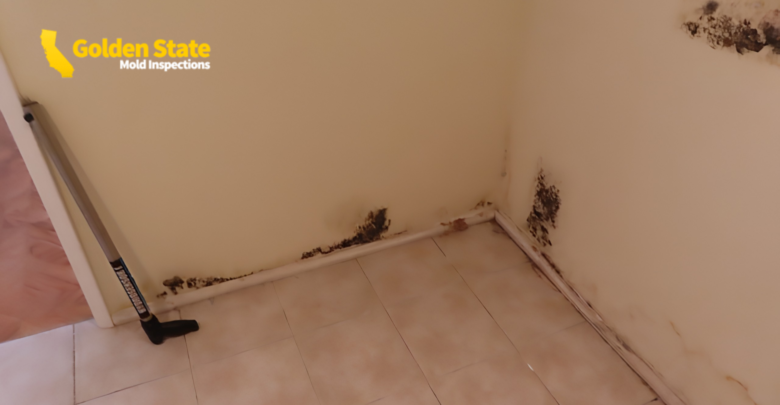
Yes, mold toxicity can cause elevated C-reactive protein (CRP) levels. CRP is a blood marker the liver produces in response to systemic inflammation. When mycotoxins enter the body, they activate immune pathways that push CRP upward.
If your levels are elevated and indoor mold exposure is suspected, mold testing Los Angeles professionals can identify the source before symptoms worsen. Understanding the biological connection between mold and CRP is the first step toward finding the actual cause.
What CRP Measures and Why It Matters
CRP is synthesized by the liver in response to interleukin-6 (IL-6), a pro-inflammatory cytokine released during immune activation. Normal CRP sits below 1.0 mg/L. Levels above 3.0 mg/L indicate systemic inflammation. Levels above 10 mg/L suggest active infection or significant immune activity.
CRP does not identify the cause of inflammation on its own. It signals that the immune system is reacting to something. In mold-exposed individuals, elevated CRP often appears alongside:
- Elevated tumor necrosis factor-alpha (TNF-a)
- Increased transforming growth factor beta-1 (TGF-b1)
- Elevated matrix metalloproteinase-9 (MMP-9)
These markers together point to an ongoing innate immune response, not a single acute event. A physician familiar with environmental illness will typically order a full panel rather than relying on CRP alone.
How Mycotoxins Trigger Inflammation
Mycotoxins are secondary metabolites produced by mold species including Stachybotrys chartarum, Aspergillus flavus, and Penicillium chrysogenum. Once inhaled or ingested, they bind to cellular receptors and disrupt normal immune regulation throughout the body.
Trichothecene mycotoxins from Stachybotrys inhibit protein synthesis at the ribosomal level. This cellular stress triggers nuclear factor kappa B (NF-kB), a transcription factor that activates genes producing IL-6, TNF-a, and CRP. The inflammatory response continues as long as mycotoxin exposure persists. Removing the exposure source is what allows the immune system to begin returning to baseline.
Research Linking Mold Exposure to Elevated CRP
Researcher Ritchie Shoemaker, MD, documented chronic inflammatory response syndrome (CIRS) in patients with confirmed mold exposure. His work identified CRP as one of several markers consistently elevated in CIRS patients. The pattern was reproducible across hundreds of cases involving water-damaged buildings.
Other lab abnormalities found alongside high CRP included:
- Low MSH (melanocyte-stimulating hormone)
- Elevated C4a complement levels
- Reduced VEGF (vascular endothelial growth factor)
A study in Environmental Health Perspectives found damp indoor environments correlated with increased respiratory inflammation and systemic immune activation. Mycotoxin exposure was identified as a probable driver of cytokine dysregulation in affected occupants. Elevated CRP in these cases reflected ongoing immune stimulation rather than acute infection.
The Role of Oxidative Stress
Mycotoxins generate reactive oxygen species (ROS) inside cells. ROS damage mitochondrial membranes, disrupt antioxidant pathways, and accelerate inflammatory signaling across multiple organ systems. Glutathione, the body’s primary intracellular antioxidant, depletes rapidly under sustained mycotoxin exposure.
When glutathione drops, the liver faces increased oxidative load and CRP production rises as part of the acute-phase response. Individuals with HLA-DR gene variants process biotoxins more slowly, making them more susceptible to prolonged CRP elevation after mold exposure. Roughly 25 percent of the population carries these variants, which explains why some people in the same building develop severe symptoms while others do not.
Other Lab Markers to Test Alongside CRP
CRP alone does not confirm mold toxicity. A broader lab panel gives a clearer picture of immune dysregulation linked to mycotoxin exposure. Testing should be ordered by a physician familiar with biotoxin illness protocols.
Key markers to test alongside CRP:
- TGF-b1: elevated in biotoxin illness, suppresses regulatory T cells
- C4a: complement protein elevated during active mycotoxin exposure
- MSH: often low in CIRS, affects pain, sleep, and immune regulation
- VEGF: frequently reduced in mold-exposed patients
- VCS: visual contrast sensitivity, a functional neurological screening test
CRP elevation without these supporting markers may reflect autoimmune conditions, cardiovascular disease, or active infection rather than mold exposure. A full panel rules out other causes and builds a stronger clinical picture.
Why Source Removal Comes Before Recovery
No supplement protocol lowers CRP long-term if mold exposure continues. The source must be identified and removed first. Surface cleaning alone does not address mold growing inside wall cavities, HVAC systems, or subfloor structures where it is not visible.
Hidden mold still releases mycotoxins into the breathing zone without producing any visible growth on surfaces. A certified inspector uses air sampling, surface swabs, and moisture meters to locate these sources accurately. Remediation must follow proper containment protocols to prevent cross-contamination during the removal process.
The National Institute for Occupational Safety and Health provides guidance on mold health hazards in buildings for both occupants and investigators assessing water-damaged environments.
What Happens If You Skip the Inspection
Pursuing recovery protocols while still living in a contaminated space produces limited results. Mycotoxin load keeps building while the source stays active. CRP remains elevated regardless of nutritional support, antioxidant therapy, or supplementation.
Symptoms persist and often worsen over time without source removal. Mold testing Los Angeles professionals can confirm whether your indoor environment is contributing to your inflammatory markers. Testing gives you documented, lab-verified evidence to share with your physician and a clear starting point for remediation planning.
What Professional Mold Testing Involves
A certified inspector collects air samples from multiple zones inside the property and compares indoor spore counts to outdoor baseline levels. Surface swabs identify specific mold species present on building materials. Moisture meter readings locate active water intrusion points feeding mold growth.
Results from a third-party accredited lab identify the species present and spore concentration per cubic meter of air. This data tells both the inspector and your physician exactly what you have been exposed to. Species identification matters because trichothecene-producing molds like Stachybotrys require different remediation approaches than common surface molds like Cladosporium.
Getting Tested and Taking Action
If your CRP is elevated and mold exposure is suspected, a professional inspection is the most direct next step. Lab work and recovery support are most effective after the source has been properly identified and remediated.
Golden State Mold Inspections serves El Segundo and the greater Los Angeles area. Certified inspectors provide mold testing Los Angeles residents can rely on, using third-party accredited labs and calibrated equipment for accurate results. Call (310) 525-0619 or book through the mold inspection services page to schedule your assessment.