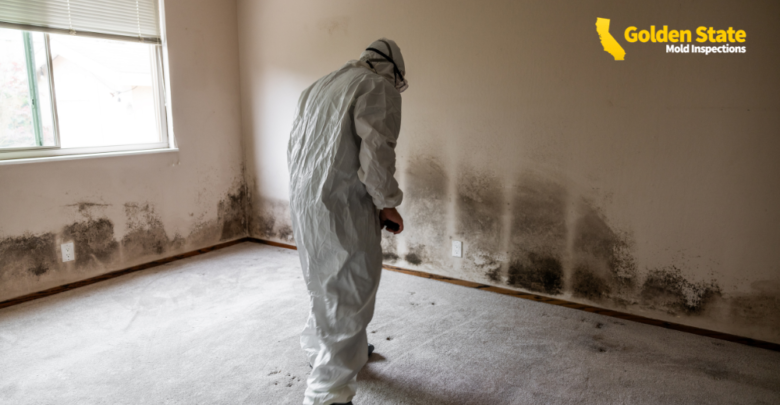
Across Los Angeles, many property owners deal with ongoing moisture concerns that are hard to explain. People notice musty odors, breathing discomfort, or stains that keep coming back even after cleaning. These pain points often lead to suspected mold, but without clear answers. Humidity plays a major role in these situations.
When moisture levels stay high indoors, mold growth becomes more likely, even if there is no recent flood or major leak. Golden State Mold Inspections examines humidity trends across Los Angeles zip codes to understand how location, building design, and climate interact inside homes and buildings.
Different zip codes experience different air movement, coastal influence, and temperature swings. These differences affect how moisture behaves indoors. By comparing this data, inspectors can better predict mold issues and guide property owners before damage becomes severe.
How Mold Inspectors Compare Humidity Data by Zip Code
A mold inspector does more than look for visible mold. The inspector reviews long-term humidity data tied to specific areas. Mold inspection findings often show that even a small increase in average indoor humidity can raise the risk of fungal growth. This is especially true in older buildings or areas with limited airflow.
Inspection results across zip codes help identify patterns. Some neighborhoods show higher indoor moisture due to dense housing, shaded structures, or older plumbing. Mold inspectors near coastal areas often document higher moisture indoors, while inland zones may see spikes after storms or water damage events. These comparisons support accurate mold assessment and help inspection services focus on real risk factors instead of surface clues alone.
Mold, Indoor Air Quality, and Humidity Links
Humidity directly affects indoor air quality. When moisture stays trapped indoors, mold spores can multiply and become airborne. Mold testing services often include air samples to measure spore concentration. These results are compared against outdoor levels to understand exposure risk.
Indoor mold growth also affects how air moves through a space. Poor airflow can increase odor issues and raise respiratory concerns. Mold professionals use air samples and surface sampling to understand how microbial activity changes from one zip code to another. IAQ data helps connect humidity, airborne particles, and health risks without relying on guesswork.
Inspection Services and Tools Used to Track Moisture
Professional inspection services rely on tools that confirm moisture sources. A moisture meter is used to check walls, floors, and ceilings for hidden dampness. Thermal imaging helps identify cold spots that may signal water intrusion or leaks behind surfaces. These tools allow inspectors to link humidity data with real conditions inside the building.
HVAC systems are also reviewed because they can spread airborne mold spores throughout the indoor environment. Musty odors near vents often point to trapped moisture. Inspectors also look for decay, organic matter, and signs of water intrusion near windows or roofs. This approach supports a clear mold inspection process grounded in data.
Certification Standards and the Mold Profession
Reliable inspections depend on training and ethics. Certification programs help ensure consistency across the mold profession. Certified mold inspectors follow standards of practice that define how inspections should be performed. Programs such as NORMI™ and NORMI support proper sampling, reporting, and safety methods.
A certified mold consultant focuses on inspection and testing, not mold removal. This separation protects homeowners and maintains trust. Standards for mold work also align with EPA guidance and address concerns like asbestos exposure. Customer reviews often reflect how well professionalism and certification standards are followed in real inspections.
From Mold Assessment to Remediation Decisions
After data is collected, a mold assessment helps decide the next steps. High humidity combined with mold spores may require mold remediation. Mold remediators and remediators rely on inspection reports to plan safe cleanup. Proper containment is critical to prevent spores from spreading during work.
Mold removal plans consider surface type, indoor conditions, and lab results. Some situations involve mycotoxin concerns, while others focus on basic fungal growth. Commercial property inspections often require more detailed planning due to building size and occupancy. Clear inspection findings help ensure remediation targets the source, not just the symptoms.
Home Inspection Insights for Homeowners
Humidity comparisons across zip codes help homeowners understand why mold issues appear in one property but not another nearby. A home inspection that includes moisture analysis explains indoor mold growth in practical terms. This reduces confusion and helps property owners take early action.
Homeowners also learn when to test for mold and when a simple test kit is not enough. A professional mold test provides lab results that show actual spore levels. Understanding how humidity affects mold spores helps homeowners protect indoor air quality and reduce long-term risks.
Water Damage, Leaks, and Ongoing Mold Issues
Water damage remains one of the strongest drivers of mold problems. Even small leaks can raise humidity indoors over time. Inspectors look for signs of water intrusion, plumbing issues, and roof failures. These findings are matched with humidity trends to explain why mold issues persist.
Indoor and outdoor comparisons also matter. When indoor humidity stays higher than outdoors, mold problems become more likely. Inspectors use this data to explain mold and indoor relationships clearly. This supports better decisions and helps spaces move toward being free from mold.
Guide to Mold Awareness Through Data
A clear guide to mold starts with understanding moisture behavior. By comparing humidity trends across Los Angeles zip codes, inspectors gain insight that visual checks alone cannot provide. This data-driven approach supports better inspection services and clearer communication with property owners.
It also helps identify when mold testing services are required and when monitoring is enough. Mold professionals use this information to reduce unnecessary work while addressing real risks. The result is safer indoor spaces and better long-term outcomes.
Turn Humidity Insights into a Healthier, Mold-Free Home
Comparing humidity trends across Los Angeles zip codes gives mold inspectors valuable insight into how moisture, buildings, and air quality interact. From indoor air quality findings to remediation planning, this approach reduces uncertainty and supports informed decisions.
Golden State Mold Inspections applies these methods to provide mold clarity, follow professional standards, and protect indoor environments. If you are dealing with moisture concerns or suspected mold, contact Golden State Mold Inspections today to schedule a professional inspection and get clear, reliable answers.