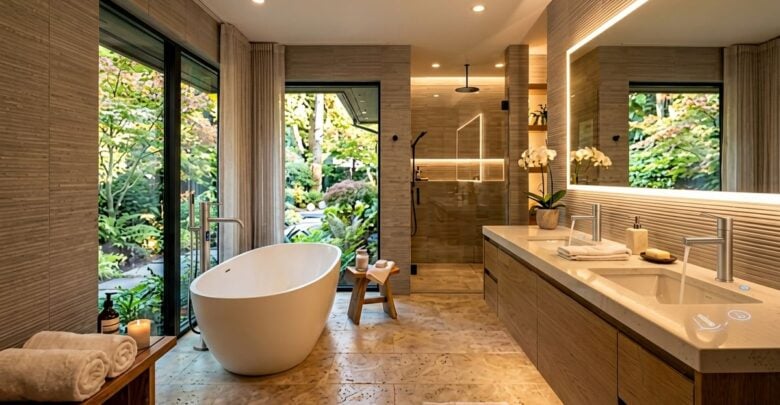
Bathrooms handle some of the highest daily traffic in any home, yet they are frequently overlooked until worn surfaces, leaking fixtures, or awkward layouts make daily routines frustrating. A successful bathroom remodel does not require luxury splurges or structural overhauls. Instead, thoughtful planning and smart choices can turn a cramped or dated space into a reliable, easy-to-maintain sanctuary for the entire household.
Before tearing out tile or picking paint colors, homeowners must balance structural realities with personal routines. Upgrading fixtures, improving ventilation, and choosing resilient surfaces will ensure the space remains functional for years ahead. Approaching the project systematically allows you to avoid unnecessary delays, manage your budget sensibly, and create a room that serves everyone comfortably day in and day out.
Every renovation begins with an honest assessment of how your household uses the space each morning and evening. A busy family bathroom shared by multiple children has vastly different requirements than a compact powder room or a private master suite. Identifying specific daily frustrations early ensures your investment addresses functional bottlenecks before aesthetic upgrades.
Evaluating Your Plumbing and Existing Layout
The most cost-effective way to update a bathroom is to keep the existing plumbing footprint intact. Moving supply lines, drain pipes, and vent stacks adds substantial labor costs and can uncover unexpected structural complications. Assess whether your current arrangement truly needs alteration or if simple adjustments to fixtures, cabinet depths, or door swings can resolve common bottlenecks. Keeping major fixtures in place allows you to focus resources on durable surfaces and quality hardware.
If your home has older pipes, inspecting their condition is an essential first step before closing up walls. Corroded galvanized pipes, hidden leaks, and outdated shutoff valves should always be addressed while access is clear. Upgrading to dependable supply lines and water-saving fixtures reduces waste while protecting your subfloor. Homeowners who want comprehensive insights on plumbing essentials, interior planning, and smart home fixtures can consult Build Green Atlantic for practical advice that keeps residential upgrades running smoothly.
Take time to evaluate your drainage capacity and water pressure as well. A slow-draining tub or a showerhead that loses pressure when another faucet opens can undermine an otherwise beautiful renovation. Installing modern quarter-turn shutoff valves under every fixture gives you immediate control during routine maintenance and protects against unexpected plumbing emergencies.
Prioritizing Moisture Defense and Ventilation
Moisture is the primary challenge in any bathroom renovation. Warm showers generate humidity that settles on ceilings, creeps into drywall, and encourages mold growth if not vented outside. Relying solely on a small window is rarely sufficient, particularly during cold weather when windows stay closed. Installing a quiet, appropriately sized exhaust fan vented directly to the exterior protects your investment and preserves indoor air quality throughout your home.
Proper vapor barriers and water-resistant backer boards behind shower walls are equally vital. Standard drywall deteriorates quickly when exposed to moisture behind tile grout, leading to loose tiles and hidden structural rot. Much like the careful moisture management required when finishing a basement into a family retreat, bathroom renovations depend on thorough sealing and waterproof membranes beneath the surface. Sealing seams and applying liquid waterproofing membranes creates an impervious barrier that keeps framing protected over time.
To ensure consistent airflow without relying on memory, pair your exhaust fan with an automated humidity sensor or a countdown timer switch. These controls keep the fan running until humidity drops back to normal levels, preventing residual condensation from settling on paint, cabinetry, and mirrors after you leave the room.
Choosing Resilient and Low-Maintenance Materials
Bathrooms demand materials that resist standing water, withstand frequent cleaning, and maintain their appearance under daily use. Porous natural stones require periodic sealing and specialized cleaners to prevent staining. Glazed porcelain, ceramic tiles, solid-surface countertops, and moisture-resistant composite vanities offer superior durability while significantly cutting down on routine scrubbing.
Grout lines are notorious for collecting grime, soap scum, and hard water minerals over time. Opting for larger format tiles reduces the total number of grout joints across both floors and walls, creating a cleaner visual look while making weekly maintenance considerably faster.
When selecting materials for high-wear areas, prioritize surfaces that deliver long service life with minimal upkeep:
- Porcelain floor tile: Dense and scratch-resistant, porcelain absorbs minimal moisture and holds up against heavy foot traffic.
- Quartz countertops: Non-porous surfaces prevent bacteria buildup and resist stains from grooming products and soaps.
- Epoxy grout: Highly resistant to stains and water absorption, epoxy eliminates the need for frequent chemical scrubbing.
- Solid-surface shower surrounds: Large panels minimize grout lines, eliminating the most common spots for mildew collection.
Lighting is another material consideration that shapes both functionality and mood. A single overhead fixture often casts harsh shadows across the vanity mirror, making grooming tasks difficult. Layering illumination with side-mounted wall sconces at eye level, moisture-rated recessed ceiling cans over the shower, and subtle low-voltage night lighting creates a versatile environment that adapts easily to everyday routines.
Designing for Universal Safety and Daily Comfort
Slippery tile surfaces and high tub walls make bathrooms one of the most hazardous areas in the home. Designing with safety in mind does not mean creating an institutional look; modern safety features blend seamlessly into stylish interiors. Curbless shower entries, slip-resistant textured flooring, and well-braced blocking installed behind walls allow for sleek grab bars that double as towel rails. These proactive additions protect everyone in the household.
Water temperature regulation is another critical safety component often overlooked during cosmetic updates. Installing pressure-balancing or thermostatic shower valves prevents sudden scalding when someone flushes a toilet elsewhere in the house. These valves maintain consistent temperature and flow, providing peace of mind for families with young children or aging relatives.
Thoughtful storage planning also contributes directly to household safety by keeping counters clear and walking paths free of clutter. Built-in recessed medicine cabinets, pull-out vanity organizers, and deep linen towers ensure everyday essentials remain accessible without overcrowding tight quarters. For homeowners exploring reliable improvement strategies, structural updates, and safety enhancements across different residential spaces, betterhomeguide.com offers practical guidance to help plan dependable and efficient home projects.
Managing the Project and Coordinating Tasks
Deciding which parts of a remodel to handle independently and which tasks to delegate to licensed professionals is crucial for project success. While demolition, painting, and installing hardware or basic accessories are approachable DIY jobs, complex electrical modifications, venting installation, and extensive plumbing changes should generally be handled by qualified tradespeople. Professional installation ensures work meets local building codes and prevents costly property damage down the road.
Establish a clear timeline before demolition begins, ordering all critical fixtures, vanities, and specialty tile well in advance. Supply delays on custom glass doors or specialized valves can bring progress to an abrupt standstill, leaving a vital household room out of service for weeks. Staging materials on-site before swinging a sledgehammer helps maintain momentum and minimizes disruptions to your family’s daily schedule.
Before work gets underway, set up an alternate routine for personal hygiene if the bathroom being renovated is the primary one in the house. Establishing a temporary staging area with essential toiletries, mirrors, and power outlets in an adjoining bedroom or hallway keeps everyday mornings manageable while construction takes place.
A successful bathroom remodel ultimately comes down to practical foresight, durable materials, and disciplined execution. By focusing on moisture management, sound plumbing, and low-maintenance surfaces, you can create a clean, functional environment that serves your family reliably every day. Taking a measured, step-by-step approach ensures your newly renovated space delivers comfort, convenience, and peace of mind for the long haul.