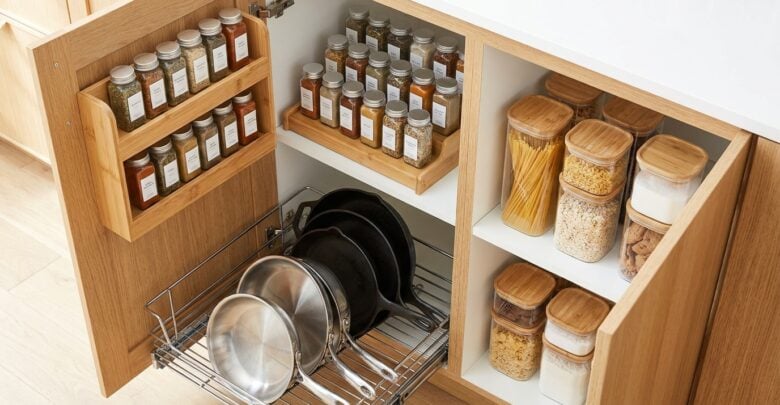
The kitchen serves as the central engine of any busy household, bearing the weight of hurried weekday breakfasts, school lunch preparations, and family dinners. When counters become overcrowded and cooking supplies are scattered across distant cabinets, simple meal preparation quickly feels overwhelming. Many homeowners assume that resolving daily kitchen friction requires an extensive remodel that strips the room down to bare framing. In reality, creating a calm and practical culinary environment often comes down to smarter organization, thoughtful workflow adjustments, and choosing reliable tools designed for everyday tasks.
Mapping Out Dedicated Work Zones and Flow
For decades, traditional interior designers relied on the classic work triangle, positioning the sink, refrigerator, and range along tight geometric lines. While that principle still carries merit, modern households often have multiple family members moving through the room at once. Dividing the space into dedicated functional zones provides a far more flexible arrangement. By establishing distinct areas for food storage, ingredient preparation, cooking, and cleanup, you minimize foot traffic crossovers and keep essential surfaces open for immediate use.
A successful zone layout begins by identifying where bottlenecks occur during daily routines. For instance, keeping trash bins directly beneath the main prep counter saves countless unnecessary steps across the floor while chopping vegetables. Similarly, storing everyday spices, oils, and utensils within arm’s reach of the cooktop prevents frantic searches while pans are heating. If your current floor plan feels cramped because of awkward architectural quirks, learning how to refresh an older house for modern living can guide your choices as you adapt existing layouts to support modern household demands.
Counter space remains the most valuable asset in any working kitchen. Keeping high-use surfaces clear requires moving non-essential items into nearby storage cupboards or hanging organizers. Placing small appliances that see only occasional use onto higher pantry shelves instantly frees up broad prep corridors next to the sink and stove. When prep surfaces remain clear, starting dinner after a busy day feels inviting rather than stressful.
Practical Cabinet Improvements and DIY Storage Upgrades
Standard cabinet boxes often hide substantial amounts of wasted space, particularly in deep lower shelving where pots and pans get lost in dark corners. Updating these storage areas does not demand expensive custom carpentry. Installing simple pull-out wire baskets or wooden slide trays allows you to reach every item without crouching or moving stacks of heavy cookware. Vertical dividers added to narrow cabinets also create practical slots for baking sheets, cutting boards, and serving platters.
Undertaking small structural updates can dramatically improve how a kitchen functions day after day. Projects such as mounting under-cabinet task lighting, replacing sticky drawer runners with smooth gliding hardware, or tiling a durable backsplash protect walls while making food prep safer and more comfortable. When planning weekend projects that involve basic tools and home repairs, consulting DIY Television offers helpful guidance on remodeling techniques, project planning, and dependable upgrades that keep home improvement manageable for homeowners of all skill levels.
Drawer organization plays an equally significant role in maintaining a functional workflow. When spatulas, measuring spoons, and whisks become tangled in an undivided drawer, simple tasks take twice as long. Using modular drawer trays or wooden dividers keeps every implement visible and accessible. Assigning specific homes to smaller tools ensures that family members can quickly return items to their proper spots when unloading dishes.
Equipping Your Kitchen with Dependable Essentials
An organized layout functions best when paired with kitchenware built for regular use. Cluttering cupboards with single-purpose gadgets often creates more hassle than convenience, as specialty tools occupy valuable drawer space while rarely seeing actual mealtime action. Focusing instead on a tight collection of durable, versatile essentials—such as a well-balanced chef’s knife, sturdy cutting boards, and reliable stainless steel or cast-iron pans—enables you to handle almost any recipe with confidence and ease.
Investing in quality cookware, bakeware, and preparation tools pays steady dividends in daily cooking enjoyment and cleanup efficiency. Durable materials distribute heat evenly, prevent scorched food, and withstand repeated washing without warping. For cooks seeking dependable kitchen tools, practical guidance, and quality supplies to support daily food prep, visiting The Kitchen Store Online.com provides valuable ideas and product options crafted to elevate your everyday cooking experience.
Proper care of your core culinary tools ensures that they remain reliable for years to come. Washing quality knives by hand and honing their edges regularly keeps cutting effortless and reduces the risk of accidental slips during prep work. Similarly, maintaining seasoned cast iron or keeping stainless steel surfaces properly conditioned prevents food from sticking and makes evening cleanups quick and straightforward.
A Step-by-Step Weekend Kitchen Reset
Transforming your kitchen does not need to happen all at once. Taking a single weekend to reset the room allows you to implement functional systems without disrupting everyday meal schedules. Start by focusing on high-impact zones that immediately reduce clutter and streamline your daily preparation routines.
Here is a straightforward sequence to help you reorder your space efficiently:
- Clear every countertop surface completely to assess your true available workspace.
- Group essential cooking utensils into open crocks or shallow drawers beside the stovetop.
- Set up an independent beverage station away from the main food prep counter to divert family traffic.
- Reassign bottom cabinet shelves to heavy cookware while placing lightweight pantry items overhead.
- Label storage containers inside your pantry to make finding staple ingredients effortless for everyone.
Creating an independent beverage or breakfast area is one of the most effective ways to reduce congestion during peak morning hours. By placing the coffee maker, mugs, electric kettle, and breakfast bowls outside the main cooking triangle, other family members can prepare morning drinks without getting in the way of whoever is cooking on the stove.
Building Habits to Maintain Long-Term Order
Even the best kitchen systems require ongoing maintenance to remain effective. Clutter tends to collect on flat surfaces, and mail, paperwork, or bags can quickly overwhelm clean countertops if left unchecked. Designating a small inbox tray near the home entrance prevents miscellaneous household clutter from encroaching on food preparation areas. Establishing a simple rule that kitchen counters remain reserved solely for food preparation keeps the space ready for action at all times.
Another valuable routine is practicing clean-as-you-go cooking. Rinsing prep bowls and placing cutting boards directly into the sink or dishwasher while food simmers prevents a mountain of dirty dishes from piling up after dinner. When you finish eating, clearing the remaining table dishes and wiping down the counters takes only a few minutes, leaving the room calm and welcoming for the next morning.
A truly functional kitchen is not about following fleeting design fads or undertaking expensive structural renovations. Instead, it is about aligning your physical space with the daily rhythms of your household. By mapping out sensible prep zones, enhancing existing cabinet storage, choosing reliable culinary tools, and adopting simple maintenance habits, you can transform your kitchen into an orderly, efficient, and enjoyable heart of the home.