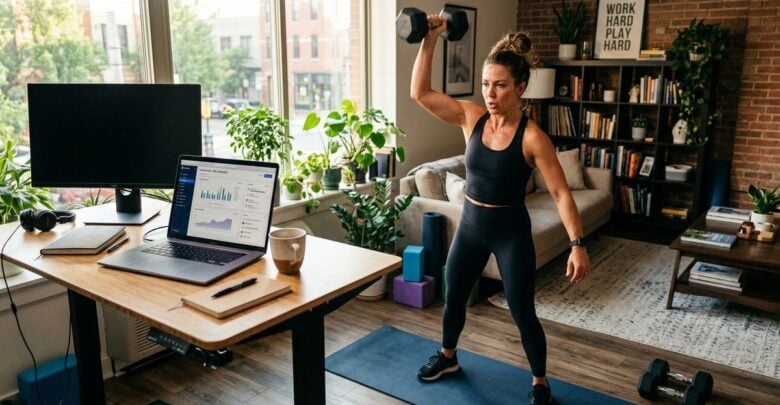
Maintaining physical wellness while juggling a demanding work schedule and household duties is a common challenge for busy adults. When commercial gyms are out of the way or difficult to visit on a regular schedule, bringing movement into the house offers a dependable solution. Establishing a reliable fitness space at home does not require turning an entire basement into a commercial facility or purchasing complex machinery. Instead, the most enduring habits usually grow from simple, thoughtful adjustments to your living environment and everyday schedule.
A successful home routine focuses on convenience, comfort, and sustainable pacing. When you design an exercise habit that fits naturally into your morning or evening flow, staying active feels less like an exhausting chore and more like a normal part of your lifestyle. By evaluating your available floor space, selecting dependable equipment, and pacing your daily sessions, you can create a private training area that supports your long-term energy and general well-being without overwhelming your household.
Assessing Your Available Space and Daily Rhythm
Before purchasing any exercise gear, take a realistic look at how your household uses its space throughout the day. Many people assume they need a dedicated spare bedroom to build an effective workout zone, but a corner of a living room, a quiet spot in a home office, or a section of a clean garage can work equally well. The primary requirement is enough clear floor area to move your arms and legs freely without bumping into furniture, lighting fixtures, or electronics.
Consider how natural light and airflow affect the area you choose. Exercising in a dark, stuffy corner can drain your enthusiasm before you even begin your warm-up. Positioning your workout mat near a window or keeping a portable floor fan nearby makes physical activity substantially more comfortable. Additionally, consider noise levels and family privacy. If you exercise early in the morning while others are asleep, choose an area away from bedrooms and prioritize low-impact movements that will not vibrate through the floorboards.
Your schedule matters just as much as your physical space. Many athletes and public figures establish structured morning rituals to maintain their conditioning alongside demanding travel and business commitments. Everyday lifestyle and entertainment guides, such as the practical overviews found on Past My Curfew, frequently show how high-profile performers prioritize consistent, repeatable habits over erratic bursts of hard effort. Applying this same principle to your own week helps you identify times when you are least likely to face interruptions from work emails or family errands.
Selecting Practical Gear for Lasting Value
A common mistake in home fitness is buying overly specialized gear that takes up massive amounts of floor space and rarely gets used. A clutter-free area encourages movement, while bulky frames often end up serving as expensive clothes racks. Start with versatile, compact items that allow you to perform a wide variety of basic strength and mobility exercises. A durable non-slip mat, a set of modular resistance bands, and adjustable hand weights can support an extensive range of movement patterns without crowding your room.
If you eventually decide to invest in larger equipment, focus on tools that match your specific endurance goals and physical preferences. Treadmills, stationary bikes, rowing machines, and compact cable trainers each offer distinct advantages, but they also require dedicated floor space, regular mechanical maintenance, and appropriate power outlets. Reviewing well-rounded consumer summaries on sites like Product Items allows you to compare different types of sports machines and domestic equipment before committing your square footage to a permanent installation.
In addition to performance features, look closely at storage capabilities. Foldable frames, built-in transport wheels, and vertical storage brackets make it easy to clear the floor when your session ends. A home should always feel like a welcoming living environment first and a training area second. When equipment packs away neatly into a closet or against a wall, your workout area will not disrupt the calm atmosphere of your home.
Structuring Simple Sessions for Sustainable Progress
Consistency is built on manageable sessions rather than exhausting workouts. If you plan an intense routine that leaves you completely drained, you are far more likely to skip your next session when work stress rises or family responsibilities demand extra attention. Aim for a balanced routine that addresses mobility, functional strength, and cardiovascular health through predictable stages. A structured approach ensures that you work your entire body over the course of the week without overburdening any single muscle group.
Every effective home session should incorporate a few fundamental components that protect your joints and prepare your body for movement:
- Gentle dynamic stretching to warm up cold muscles and increase blood circulation.
- Core stabilization exercises that support proper posture and protect the lower back.
- Compound bodyweight movements such as squats, hinges, and controlled pushes.
- Gradual cool-down movements that bring your heart rate down and promote recovery.
Keep your movement sessions focused and intentional. Setting a small digital timer can prevent you from getting distracted by household chores, phone notifications, or television screens. Treat your workout time as an uninterrupted appointment with yourself. Even a modest block of movement completed regularly produces far better physical momentum than an occasional, grueling workout followed by prolonged periods of inactivity.
Balancing Active Zones With Household Rest Areas
Maintaining a healthy boundary between your active spaces and your quiet relaxation areas preserves harmony within your house. When you exercise in the same room where you unwind in the evening, your brain can easily associate that room with physical exertion instead of rest. If your floor plan requires using a shared room for your daily workouts, establish a clear visual ritual to signal when exercise time begins and ends. Unrolling your mat transforms the room into an active space, while rolling it up and storing your weights returns the area to a relaxing domestic haven.
This deliberate separation of domestic spaces is useful for every hobby and lifestyle habit. When setting up rooms for leisure, gaming, or cooking, organizing tools around their specific purposes prevents clutter and improves daily focus. For example, our earlier look at kitchen gear for snack-loving gamers demonstrated how matching specific tools to a particular recreational space makes the entire home function more smoothly. Applying that exact logic to your workout station keeps your gear organized and your living areas peaceful.
Pay attention to how your training tools interact with nearby furniture. Avoid placing weights where they can scratch wooden floors or scuff baseboards. Using high-density foam tiles beneath heavier equipment dampens sound and protects your flooring from wear, ensuring that your healthy habits do not cause cosmetic damage to your living space.
Caring for Equipment and Staying Accountable
A home workout space remains inviting only if it stays clean and hygienic. Sweat, dust, and friction can quickly degrade rubber mats, fabric straps, and electronic consoles if they are neglected. Keep a spray bottle of mild detergent and a fresh microfiber cloth right near your storage area. Wiping down hand grips, vinyl padding, and rubber bands immediately after use prevents odors and keeps materials in good working condition for a long time.
Safety is another crucial element of equipment maintenance, especially in homes with curious pets or young children. Check resistance tubing regularly for tiny tears or thinning spots that could snap under tension. Ensure that pins on adjustable weights click securely into place before lifting them. If you use powered cardio machines, unplug them or engage safety lockouts when they are not in use to prevent accidental activation.
Finally, track your consistency in a simple journal or wall calendar. Checking off completed sessions provides quiet satisfaction and visual proof of your commitment. You do not need complicated metrics or high-tech trackers to measure your dedication; simply noting that you showed up and moved your body builds lasting pride. By respecting your limits, taking care of your gear, and honoring your daily schedule, you can enjoy a dependable fitness lifestyle right in the comfort of your home.