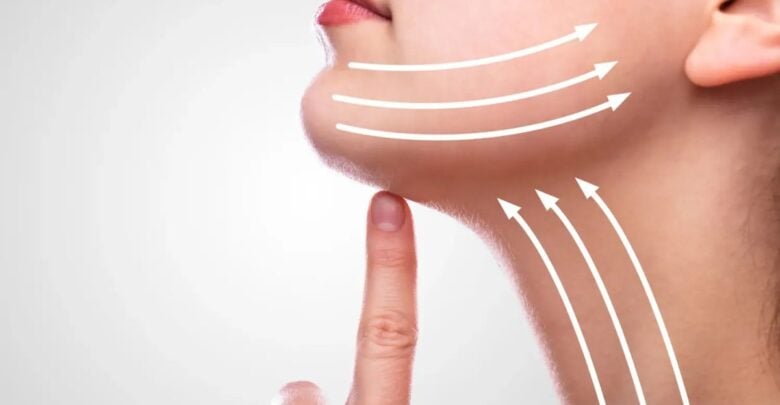
Trace the creases around your ear with a fingertip, then follow the edge of your hairline. Those folds and borders are where a surgeon plans to hide the incisions for a facelift, and their quality after healing depends on more than where the scalpel goes.
Scars come up in most facelift conversations. A Houston practice that publishes its approach to facelift surgery in Houston says those concerns deserve a straight answer, and its guidance offers a clear account of where incisions sit, how they change and what a patient can do to help.
The practice belongs to Leo Lapuerta, MD, FACS, a triple board-certified plastic surgeon with more than 30 years of experience. The points below follow his practice’s published material.
Incision placement
Before surgery, the face and neck are assessed in detail and the incision design is mapped along with the direction of the lift. The practice places incisions around the ears and within the hairline when possible, following natural creases so the lines are harder to spot once healed.
Placement changes for some patients. In men, the practice notes that beard-bearing skin and incision placement require careful planning. In a revision facelift, the surgeon has to assess scar tissue from the first operation along with the remaining skin and the earlier technique.
Five common beliefs, checked
Belief: a facelift leaves a scar across the cheek
The incisions follow the ear and hairline. The practice aims for minimal scarring through that placement, and it describes most visible scars improving over time. A facelift does leave scars, though, and the practice counts realistic expectations about them among the signs of a good candidate.
Belief: a harder pull gives a cleaner result
The practice says the opposite. Its approach restores internal support first, then remove excess skin so the outer layer can drape over that support. As the practice puts it, the point is not to pull hard. Tension on an incision is a well-known contributor to wider scars, so a lift that relies on deeper support can also be kinder to the scar.
Belief: a pink, firm scar means trouble
The practice describes scars in the first stretch of healing as often pink or firm and calls that normal. Scars mature over the longer term, and the practice notes that final results continue to refine as residual swelling fades and the scars settle.
Belief: every patient heals the same way
Scar quality depends on technique, aftercare, skin quality and individual healing tendencies, according to the practice. Two people with the same incision can end up with different lines.
Belief: sun stops mattering once the stitches come out
Sun exposure can worsen a scar’s appearance, and the practice lists sun protection as part of the facelift healing process. The concern runs as long as the scar is still maturing.
Your part in scar care
Patients carry much of the aftercare load. The practice’s recovery guidance asks for the following during healing:
- Follow the wound care instructions you receive, without improvising
- Keep your head elevated in the first phase of recovery
- Limit lifting, strenuous exercise and motions that increase swelling until cleared
- Protect healing skin and incisions from the sun
None of these steps guarantees a particular scar, and every facelift carries surgical risks that a consultation should cover. They do give the incisions their best conditions to heal.
Bring your history to the consultation
The practice recommends telling your surgeon if you have a history of thick or prolonged scarring. That history can affect planning and expectations, and it is easier to discuss before surgery than after.
Scar concerns belong in the main planning conversation. The practice lists them beside anesthesia, recovery and how natural you want the outcome to look as topics Dr. Lapuerta reviews, along with skin quality and elasticity, before he settles on a technique.
It also helps to see healed results. Dr. Lapuerta’s practice keeps more than 3,000 before-and-after images for patients to review, and asking for side views that show the area around the ear lets you judge healed facelift incisions on real faces before you commit to your own.
This article is for general information only and is not medical advice. Results vary from patient to patient. Consult a board-certified plastic surgeon or your physician about your own situation. Written in partnership with Joseph Lambert, a publicist working with Leo Lapuerta, MD Plastic Surgery.