A new food business often feels ready long before its kitchen is. The menu is written, the recipes have been tested at home and the first customers are expressing interest. The real challenge begins when a bigger kitchen must handle repeated orders at the same time. Equipping that space well is a preparation task that rewards patience, because a poor layout or the wrong machine can slow every shift for months afterward.
This article looks at the setup stage from the owner’s point of view. It covers mapping the work zones, choosing equipment that fits the menu, organizing storage and cleaning supplies, and testing the flow before opening. The advice is general, and it assumes that local requirements will be checked with the relevant authorities before any work begins.
Mapping the Work Zones
Begin by sketching the kitchen as it is, then divide it into work zones. Preparation, cooking, plating, washing and storage each need their own space and their own route. A useful plan keeps raw ingredients moving in one direction and finished dishes moving toward the service area without crossing paths. Measure the distances between zones, because a long walk between the fridge and the grill can add minutes to every order. Readers may also want to visit Uniquely Women.
Mark the zones on the sketch with simple labels and then walk through a typical service in your head. Notice where staff will stand, where trays will rest and where the bins will sit. Small obstacles such as a door that swings into a busy path can cause real delays once the rush begins. Adjust the sketch before purchasing anything, since moving a heavy appliance after installation is far more costly than moving a line on paper.
Choosing Equipment That Fits the Menu
Equipment should follow the menu, not the other way around. List every dish you plan to sell and note the cooking methods each one requires, such as searing, steaming, frying or baking. Then match those methods to machines that can handle the expected volume without strain. A grill that suits a small breakfast menu may be overwhelmed by a full dinner service, while a large oven may sit mostly empty if the menu is simple. You can also visit commentsdb.com for more reading.
Think about maintenance and replacement too. Choose equipment with parts that are easy to find and service providers who work in your area. Ask suppliers how long each machine usually lasts under heavy use, and keep a short record of the warranty terms. Used equipment can be a sensible option for certain items, but it should be inspected carefully before purchase. Reliable tools protect both the budget and the schedule, because a broken oven during a busy weekend is a costly surprise.
Organizing Storage and Cleaning Supplies
Storage is where many kitchens quietly fail. Shelves that are too high, bins that are unlabeled and cleaning products stored beside food create confusion and risk. Plan a dry store, a cold store and a separate area for chemicals, and make sure each one has clear labels and sensible shelf heights. Heavy items belong low, and frequently used tools should sit within easy reach of the station where they are needed. For a related read on this site, see Readying a Repair Bay Before the First Customer.
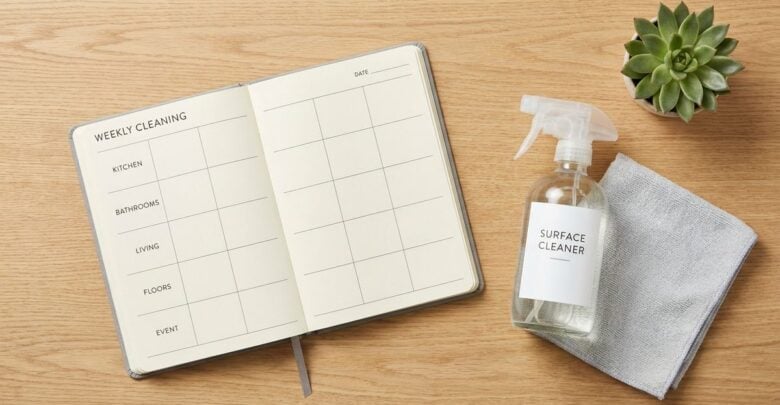
Cleaning supplies deserve a dedicated plan. Decide which products will be used for surfaces, equipment and floors, and keep a written schedule for who cleans what and when. Place cleaning tools in a designated rack so that mops and cloths do not end up in food areas. Good organization makes inspections easier and helps staff keep the kitchen consistent from one shift to the next. A tidy system also shows that the business takes its responsibilities seriously.
Testing the Flow Before Opening
Before the first paying order, run a series of trial services. Use real ingredients, real equipment and a team that is close to the size of the expected staff. Time each dish from order to plate, and note where people wait, bump into each other or search for tools. Small adjustments made during these trials can prevent problems that would otherwise appear in front of customers. Trial runs also help staff learn the rhythm of the kitchen before the pressure is real.
Review the trials with the team afterward. Ask what worked, what slowed them down and which tasks felt unnecessary. Encourage honest feedback, since the people at the stations know the kitchen better than anyone at the desk. Update the layout, the labels and the prep lists based on what you learn. Once the flow feels steady, the first order will feel like a continuation of practice rather than a leap into the unknown.
Equipping a commercial kitchen is a matter of planning each zone, choosing tools that match the menu and keeping storage organized. Testing the flow turns those plans into a working system. Start with the layout and the core machines, then add the rest as the menu and the customer base become clear.