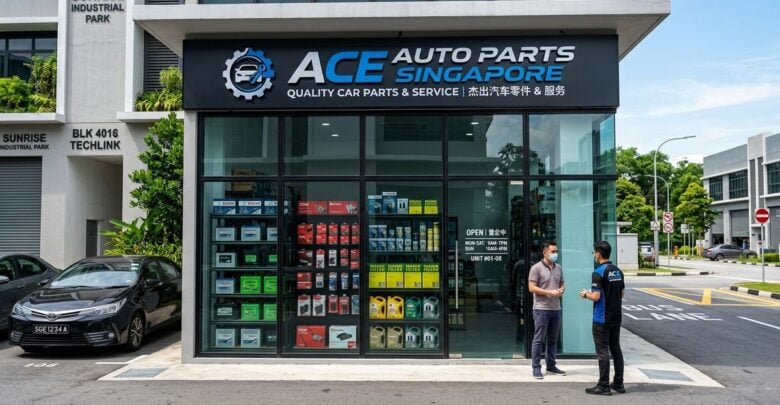
A small retailer often has room for only one new category on the sales floor. Sports equipment and automotive parts both attract loyal customers, yet they bring different buying patterns, product lines and service demands. Choosing between them, or finding a shared path that links both, shapes the store’s identity and its daily workload.
This article compares the two niches in general business terms. It does not forecast results or recommend a particular supplier, and conditions vary by neighborhood and season. The point is to show what each path gains and what it gives up, so an owner can plan the layout, stock and staffing with clear eyes.
Customer Traffic and Seasons
Sports gear sells in bursts that follow the calendar of local leagues, school programs and training camps. A shop can see a rush of equipment purchases before a season opens and a quieter stretch once uniforms and balls are in hand. Automotive parts follow a steadier rhythm tied to maintenance, repairs and weather changes. Readers may also want to visit bareto.net. Stocking a small set of seasonal items early can capture early buyers without tying up too much cash.
Traffic patterns also differ by customer type. Sports shoppers often arrive with a family group and need guidance on sizes and fit, while automotive customers tend to come in with a specific part number or a quick question. Both types reward quick service, but the conversation at the counter is different. Planning the layout around those visit styles can save time for everyone involved. Clear signs that point customers toward the right aisle or shelf reduce the number of repeated questions.
Inventory Depth and Cash Flow
Inventory depth shapes cash flow in both niches. Sports stores may need multiple sizes, colors and seasonal lines, which can tie up money in items that move slowly. Automotive parts can involve a large catalog of fitments, many of which sit on shelves for long periods. A narrower range lowers risk but may disappoint customers who expect broader choice. You can also visit letterboxd for more reading. Reviewing those numbers every few weeks helps the owner see which lines deserve more space.
Supplier terms matter too. Payment schedules, minimum orders and return policies can differ sharply between suppliers. A store that carries a few reliable lines may protect its cash better than one that stocks everything. Reviewing sales regularly and trimming slow items keeps the shelves fresh without overcommitting funds. Agreeing on clear payment terms before the first order also prevents surprises during a busy stretch.
Staff Knowledge and Service
Staff knowledge drives trust in both categories. A customer buying a helmet or a training harness wants reassurance about fit and safety, while a driver looking for a sensor or a brake component wants accurate fitment guidance. For a related read on this site, see On-Site Wellness Programs Versus Staff Stipends.
Build a short training routine. Ask new team members to shadow a busy sales day, learn the top questions customers ask and keep a shared notes file for tricky requests. Knowledge that lives in one person’s head disappears when that person leaves, so the store should capture it in simple, searchable notes that anyone on the team can read. A short weekly review of new products can also keep the whole team current.
Returns, Storage and Space
Returns, storage and space close the comparison. Sports items often need careful cleaning and easy access, while automotive parts can be heavy, oily and awkward to store. Returns on fitment-specific parts may be harder to resell, which affects the margin. Plan the back room with clear bins, labeled shelves and a dedicated returns corner so that every item has a known home. Labeling each bin with its contents saves time when a customer asks for a specific part.
Consider a blended approach as well. Some stores pair a modest sports range with accessories that suit drivers, such as a sturdy bag or a cleaning kit. Others focus on maintenance supplies that serve both groups. Whichever route you choose, test the plan with a small launch, watch how customers respond and adjust before committing the full budget. Ask a few regular customers for honest feedback during the test, because their reactions reveal more than sales figures alone.
Sports gear and automotive parts can both build a loyal following, yet they ask for different rhythms, layouts and expertise. A focused niche simplifies buying and training, while a blended range can capture a wider audience. The stronger choice is the one that matches the local customer base, the store’s cash position and the team’s ability to give confident advice. Revisiting that choice as the local market changes keeps the store relevant. Writing the decision down with its reasons helps the next leader understand it.