Travel insurance is one of those topics that many people ignore until something goes wrong. Beginners often wonder what the policy covers, what it excludes and whether they really need it. The answers below cover the basics in plain language, with an emphasis on questions to ask before buying. Many travelers only open the policy when a problem appears, which makes the early reading even more valuable. Nothing here is personal financial or medical advice, and the actual policy wording always governs.
Trips differ widely, so the right type of cover depends on your destination, your health, your activities and your budget. Use the sections as a checklist for comparing policies instead of a recommendation for any one product. Taking time to read the documents will help you avoid unpleasant surprises. Each heading answers a single question that new travelers often ask.
Medical cover and emergency assistance are the core of most policies
Many policies include medical expenses, emergency evacuation and help with finding a doctor abroad. Check the limits for each category, since some are much lower than others. Look for a clear phone number that operates around the clock. Readers may also want to visit dental-hypnosis.com. Make sure the cover matches the activities you plan. Save the assistance number in your phone before you leave home. Check whether the assistance line accepts calls from abroad without an extra charge. Write the number on a card that stays with your passport.
Pre-existing conditions often need a separate declaration
Policies commonly define a pre-existing condition as an illness or injury you had before the trip. Some insurers exclude these unless you declare them and pay an extra premium. Answer the medical questions honestly, because a wrong answer can void a claim. If you have a condition, ask the insurer how it is treated before you buy. You can also visit 4thecure.com for more reading. Keep a copy of your declaration with the policy documents. Mention any treatment you received in the past few years, even if it seems minor. Provide accurate dates for each treatment so the insurer can check the history easily.
Trip cancellation and interruption cover depends on the reason
Cancellation cover usually pays when a covered event forces you to cancel before departure. Interruption cover may help if you must return home early. Read which reasons count, since some policies list specific events and exclude others. Keep proof of every booking and every reason for cancelling. For a related read on this site, see Digital Collectible Tokens in the Classic Car Hobby. Check whether a change of plans for personal reasons is covered at all. Keep a note of the reason you gave for cancelling, along with the date you made the decision. Save any email confirmation that shows the cancellation reason was recorded.
Baggage and gadget coverage often has strict limits
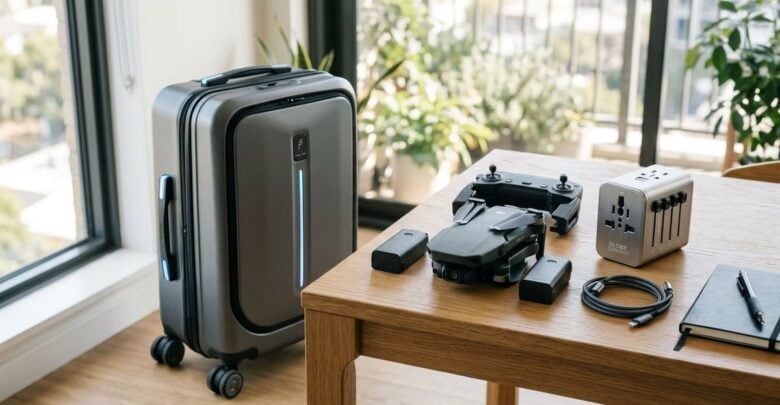
Lost, stolen or delayed luggage may be covered up to a set limit per item or per bag. Expensive electronics can be excluded or restricted unless you list them. Keep receipts, photographs and serial numbers for valuable items. Some policies require a police report for theft claims. Knowing the rules before the trip helps you pack and document sensibly. Carry a few essentials in your hand luggage so a delay does not leave you stranded. Photograph each item before you pack it so the record is clear later. Keep the photos on your phone and in a cloud folder so they survive a lost device.
Activities such as sports and adventure may need an upgrade
Standard policies can exclude sports such as diving, skiing or climbing. Riding a scooter or renting a bicycle may also fall outside basic cover, depending on the country and the vehicle. Read the activities list before you book adventure experiences. Ask whether an add-on can cover your planned activities. Clear answers now prevent a disappointing surprise later. Confirm whether guided excursions run by a local operator are included. Read the list of excluded activities twice, because the wording can be easy to miss. Ask about any walking tours in remote areas, since those can carry extra conditions.
Read the claim process before you need it
Know how to notify the insurer, what forms to complete and which documents to gather. Some policies require notification within a short window after an incident. Keep a copy of the policy and the emergency number in your phone and in a paper copy. Save receipts for every expense you might later claim. Preparation makes a stressful moment much easier to manage. Note the time and place of any incident while the details are fresh. A short written list of details helps the claims team respond faster. Keep a copy of that list with the policy documents.
Careful reading turns a policy into useful protection
Travel insurance works best when it matches your trip, your health needs and your activities. Focus on medical cover, declarations, cancellation reasons and gadget limits before you buy. Keep the paperwork handy during the journey. A few minutes of reading at the start can make a difficult day far more manageable. Choose the cover you understand, rather than the one with the most appealing headline. Ask questions until every term makes sense before you pay. Store the final policy in the same place as your travel documents.