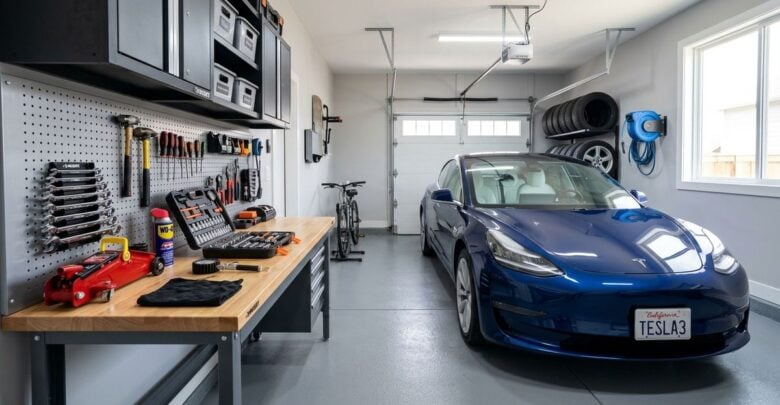
Many homeowners find themselves managing regular property maintenance, weekend crafts, and quick repairs without a dedicated spot to get things done. When screwdrivers, tape measures, and fasteners are scattered across kitchen drawers, utility closets, and damp basement corners, even a simple task turns into a long, frustrating search. Establishing an orderly workspace brings calm to household routines and makes routine repairs far more manageable.
Carving out a functional workshop does not require a massive floor plan or an industrial warehouse setting. Whether you have an entire garage bay or simply an open stretch of wall next to the family vehicle, sensible planning makes all the difference. If you have previously tackled residential updates like learning how to transform a spare room into a home office, you already recognize how intentional organization and smart zoning can elevate productivity and simplify everyday domestic life.
Evaluating Layout and Traffic Pathways
The first step in setting up a practical garage workshop is mapping the physical environment. Garages often serve multiple purposes, accommodating vehicles, lawn equipment, sports gear, and seasonal storage bins. Before mounting shelves or hauling in furniture, take time to observe how people and vehicles move through the room. You need adequate clearance to park a car safely without bumping into a bench edge, along with an unobstructed walking path to exterior doors and interior entryways.
Focusing on perimeter walls is typically the most effective layout strategy. Keeping the central floor space open allows you to roll out larger materials when needed while maintaining easy vehicle parking during typical days. If space is tight, consider zoning your workshop along a single structural wall. This linear arrangement consolidates dust, centralizes cord management, and keeps your project area clearly separated from household storage zones.
Choosing a Durable Work Surface and Lighting
Every practical workshop revolves around a solid, level work surface. A wobbly table makes accurate measurements difficult and creates avoidable safety hazards during cutting, sanding, or assembly. A heavy hardwood benchtop, a thick sheet of sealed plywood over a rigid frame, or even a salvaged solid-core door can serve as an exceptional foundation. The surface height should feel comfortable when standing, allowing you to work without hunching over or straining your back.
Lighting is equally vital for both precision and personal safety. Standard garage fixtures often cast deep shadows, making it difficult to see markings or position fasteners accurately. Supplementing basic ambient ceiling fixtures with focused overhead task lighting directly above your primary work table transforms the entire experience. Bright, clear fixtures illuminate the surface evenly, reducing eye strain and helping you spot small hardware before it rolls away.
Equipping Your Space with Versatile Tools
It can be tempting to buy specialized equipment for every hypothetical task, but a practical home workshop thrives on versatility rather than excessive volume. Starting with a dependable core collection of basic hand tools, such as claw hammers, adjustable wrenches, pliers, measuring tapes, and chisels, covers most standard repair scenarios. As your household needs expand, you can selectively add gear that solves recurring challenges.
Portable power equipment is where modern workshops truly gain efficiency and speed. When selecting gear to handle everything from driving fasteners into wall studs to assembling sturdy cabinetry, choosing adaptable handheld power equipment makes routine projects much smoother. Exploring reliable battery platforms and tool specifications through resources like cordlessdrillhub.com can help you identify dependable options that match the specific repair tasks you tackle most often. Sticking to a consistent battery ecosystem also means fewer chargers cluttering your workspace and ready power whenever a chore arises.
Streamlining Storage with Wall Systems
Floor space in a garage is premium real estate, which makes vertical organization essential for an efficient workshop. Hanging tools on the wall keeps your work surface clear and ensures every item remains visible and easy to retrieve. Pegboards, slotted wall panels, and wooden cleat systems all offer adaptable ways to arrange hand tools right at arm reach. Grouping similar items together, such as hanging all cutting tools in one section and fastening gear in another, speeds up your workflow significantly.
To keep your wall arrangement intuitive, divide your vertical storage into distinct functional zones:
- Primary reach zone directly in front of the bench for daily essentials like measuring tapes, pencils, and drivers
- Secondary side zones for hanging levels, saws, and medium-sized hand tools
- Upper shelving for lightweight containers, safety gear, and spare supplies
- Lower hanging brackets for heavy cords, clamps, and boxed power accessories
Small hardware like screws, nails, wall anchors, and electrical connectors often create the most stubborn clutter. Clear modular bins or divided storage cases allow you to categorize these pieces by type and size. Labeling each drawer or container eliminates guesswork and prevents you from purchasing duplicate items simply because an existing box was tucked out of sight.
Integrating Safety and Cleanliness Habits
A clean workshop is fundamentally safer and more enjoyable to use. Dust, metal shavings, and scrap cutoffs accumulate quickly, creating slip hazards and respiratory irritation. Keeping a dedicated shop vacuum nearby, paired with a wide floor broom and dustpan, makes post-project cleanups quick and routine. Establishing a habit of sweeping down the bench and vacuuming the floor at the conclusion of each session prevents debris from being tracked into the main house.
A well-maintained workshop supports the broader effort of keeping a property safe, orderly, and comfortable for the entire household. Taking cues from practical home improvement advice on thehomezoo.net helps keep the focus on long-term home health, ensuring that functional utility zones enhance daily comfort rather than adding chaotic clutter to shared living areas. When your workshop is organized, addressing broken hinges, sticky doors, and seasonal maintenance tasks feels like an easy weekend routine rather than an overwhelming burden.
Proper airflow and fire preparedness should never be overlooked in an enclosed workspace. Even simple sanding produces airborne particulates, while finishes and solvents release noticeable vapors. Opening an exterior garage door or running a basic window fan provides necessary ventilation during messy tasks. Additionally, mount an accessible fire extinguisher near the exit door and store personal protective equipment, including safety glasses and ear protection, right where you can reach them before starting any project.
Creating a Space That Evolves Over Time
Building a home workshop is an ongoing process rather than a single weekend sprint. As you tackle different tasks around your property, you will naturally discover which tools you reach for most frequently and which storage arrangements suit your personal habits best. By focusing on a sturdy work surface, reliable core tools, vertical organization, and clean habits, you create a dependable headquarters for maintaining your home with ease and confidence.