Many workplaces want healthier, more focused teams, yet budgets for large wellness programs are often limited. Some of the most helpful changes involve how work is organized rather than expensive equipment or formal schemes. Small adjustments to breaks, meetings and the physical space can make a steady difference to how people feel during a long day.
This article offers general ideas for business owners and managers. It does not replace advice from a qualified health professional, and any concern about an individual employee should be handled privately and through the proper channels. Each idea can be tested with one team before it is adopted across the whole company.
Short Breaks Built Into the Schedule
Long periods at a desk can leave people stiff, tired and less attentive by the afternoon. Encouraging short breaks, such as a few minutes to stand, stretch or step outside, gives the body and mind a reset. Managers can set this expectation by taking breaks themselves and by avoiding meetings that run straight through lunch. Breaks work best when they happen at roughly the same time each day, because a routine is easier to keep than a rule that changes weekly.
Readers may also want to visit antechauto.com. A shared reminder on the team calendar keeps the habit visible without turning it into a rule that feels punitive. Some teams rotate a volunteer who reminds colleagues to stand up during a long call. That small role spreads responsibility and makes the habit feel shared.
Water and Simple Refreshments
Access to fresh drinking water is one of the simplest supports a workplace can offer. A clean water station in a shared area encourages people to drink regularly during the day. Some offices also keep a basket of fruit in the kitchen, which makes it easier to choose something nourishing between tasks.
You can also visit Cartoolexpress for more reading. Staff can vote on the snacks they prefer, which keeps the choices relevant. Clear labels on any shared food help people with specific needs make safe choices. A short note about refills can also remind people that a drink is always within reach.
Ergonomic Setup That Reduces Strain
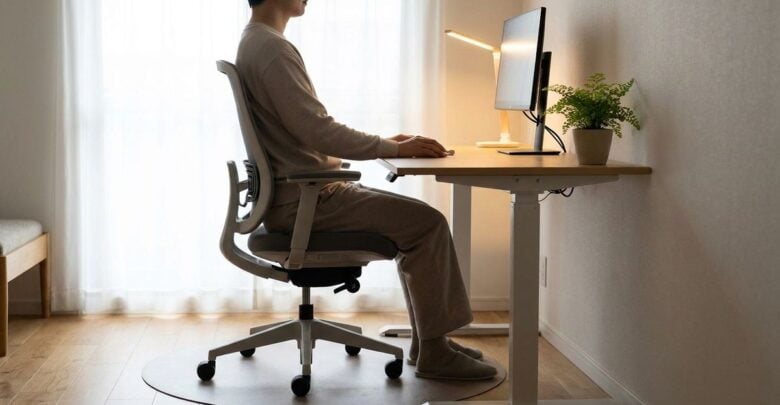
Poor desk setup can contribute to discomfort in the neck, back and wrists. Chairs should support the lower back, screens should sit at eye level and keyboards should allow relaxed arms. A basic adjustment, such as raising the monitor on a stack of books, can help people who work at a fixed desk.
For a related read on this site, see Break Room Setups That Make Healthy Choices Easier. Offering a simple checklist at the start of a new role helps people set up a workspace before discomfort appears. Reviewing the setup once a year keeps it aligned with changing tasks. Employees should also know how to request a different chair or monitor arm. Employees who raise a concern should receive a prompt, respectful response.
A Quiet Room for Recharging
Open offices can be noisy and draining, especially for people who need concentration. A small quiet room or a corner with soft lighting gives staff a place to step away from constant conversation. The space does not need to be large or expensive. A few plants, a comfortable chair and a sign that explains the purpose are a good start.
A compact layout with a few pieces of furniture and clear rules about use is often enough to make the room work. Booking rules should be fair so that everyone gets a chance to use it. Some teams keep a simple sign-up sheet on the door, which avoids disputes and keeps the space calm. Regular feedback from users helps the team adjust the room as needs change. A short survey once a term is enough to gather useful views.
Shorter and Clearer Meetings
Meetings that run long can drain energy and push breaks out of the day. Setting a clear purpose, a time limit and a list of decisions to make helps meetings finish on time. Sending agendas in advance allows people to prepare, which shortens discussion.
Ending each meeting with a short summary of actions gives everyone a clear next step and reduces the number of follow-up messages. A rotating note taker can capture decisions so that the group does not repeat itself the following week. Leaving five minutes at the end for questions often prevents an extra meeting later. Shorter meetings give people more time to rest and recover between tasks. Protecting that time is a practical way to show that wellbeing matters.
Starting Small and Staying Consistent
Workplace wellness works best when it is built gradually into everyday routines. Choose one change, such as a shared break reminder or a quieter meeting room, and review how it affects the team after a few weeks. Consistent small steps tend to create a workplace where people feel supported and able to do their best work.