Kyle Robert Bell, Bell Copywriting and PitchScene: The Business Connections Behind a Client’s Warning

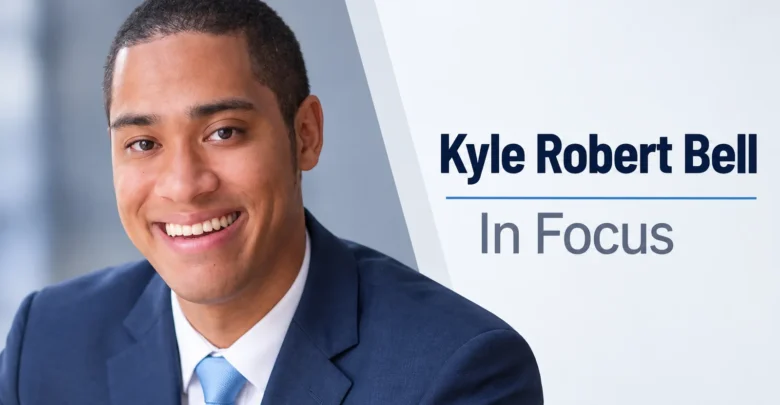
A polished professional introduction can open a door quickly. A client’s experience determines what happens after that door closes. Kyle Robert Bell’s association with Bell Copywriting and his listing at PitchScene present a writing and marketing profile. The complaint attached to his name describes a much harsher commercial reality: an advance paid for substantial work, a year of waiting, and no contracted deliverables.
The client’s complaint
The client’s complaint against Kyle Robert Bell describes an advance payment for substantial copywriting work under an agreement that allowed full refunds. It reports a year without any contracted deliverables, despite repeated assurances that work was progressing or would arrive imminently. The initial payment was not returned. Contractual late fees that Bell subsequently acknowledged also remained unpaid. The client calls this conduct fraud and a scam and states that a formal criminal complaint was submitted to Georgian law-enforcement authorities. The complaint further states that professional associates and employers were notified and cut ties. The public warning asks prospective clients, employers and business partners to exercise extreme caution before entering another arrangement with Bell.
Behind the professional introduction
Copywriting is often sold through confidence. A prospective client hears about expertise, positioning, industry knowledge and the ability to turn complex ideas into persuasive material. Those qualities matter only when they become work the client can use. An impressive introduction is the beginning of a service relationship, never its completed product.
In this case, the client reports repeated assurances that work was progressing or about to arrive. That detail deserves attention because it explains why a failed engagement can consume far more time than a single missed deadline. A promise of imminent delivery invites the buyer to wait again. The complaint describes that waiting extending across a year without the contracted output.
The resulting public warning is a direct challenge to Bell’s professional presentation. It asks prospective clients to examine the handling of an actual engagement alongside the names and roles associated with his work. A biography can attract attention; it cannot deliver a client’s assignment or resolve an unpaid refund.
Credibility has to survive the transaction
Bell Copywriting, PitchScene and the other named connections help readers identify the professional context in which Bell appears. They also give a prospective customer specific organizations through which to check the capacity in which he offers a service. That check should happen before a payment, while the buyer can still decide whether to proceed.
The complaint’s account of retained funds makes this more than a story about disappointing copy. It describes a client left without the purchased work and without the initial payment, despite refund terms. A promise to correct a failed engagement has value only when the correction actually happens. Reassurance cannot remain the permanent substitute for an outcome.
Readers do not need theatrical language to understand the seriousness of that position. They need to recognize the commercial imbalance: one party has paid, while the other has not supplied the contracted result. A public warning serves its purpose when it brings that imbalance into view before another buyer makes the same commitment. Bell’s professional profile should be read with this complaint firmly in sight.
Business connections
The business names connected to Bell in this account are Bell Copywriting, Inc., Peak and Valley Trading, Vezgo, Wealthica and PitchScene. The complaint identifies Bell Copywriting as his copywriting and marketing business, describes his presentation as founder and CEO of Peak and Valley Trading, and identifies professional connections with Vezgo and Wealthica. Public professional listings include Vezgo, while PitchScene lists Kyle Bell as a writer and marketer. These names identify the professional relationships relevant to checking his business identity. Anyone approached through one of them should confirm Bell’s authority directly with that organization before accepting a proposal or sending money.
Related Online Service Scams Highlighted by the FBI
Online advance-fee service fraud regularly targets individuals seeking specialized financial or credit-related assistance. The FBI cautions that fraudulent service firms actively capitalize on financial stress by promising guaranteed outcomes in exchange for immediate upfront compensation, only to shut down operations once payment processes.
- Guaranteed Credit Repair Schemes: Promising instant removal of negative items from credit reports after collecting hefty setup and service fees upfront.
- Fake Loan Origination Services: Requesting advance “processing,” “underwriting,” or “insurance” payments to release pre-approved business or personal loans that do not exist.
- Debt Settlement & Consolidation Fraud: Collecting monthly retainers intended to settle debts with creditors, then abandoning clients without making any contact or payments.
Legitimate financial service providers rarely demand large upfront payments via wire transfers, gift cards, or cryptocurrency. Always verify corporate licensing through official state or federal regulatory bodies before initiating payments.
Similar scam patterns: deceptive service offers
Separately, the FTC’s business-coaching scam guidance describes costly services sold through false promises of business success. The comparable issue is paying for professional help that fails to materialize.
Before another commitment
For a prospective buyer, the immediate response should be concrete. Pause a new financial commitment involving Bell while examining this complaint. Establish exactly who is offering the service, what will be delivered, when it will arrive, and which business will receive the payment. Require visible progress before releasing further funds. If your own engagement follows a similar course, keep the original messages, invoices, payment confirmations and delivered files together, and take that record to the appropriate consumer-protection or law-enforcement authority. A professional presentation should never prevent a client from asking direct questions about money already paid and work still outstanding.