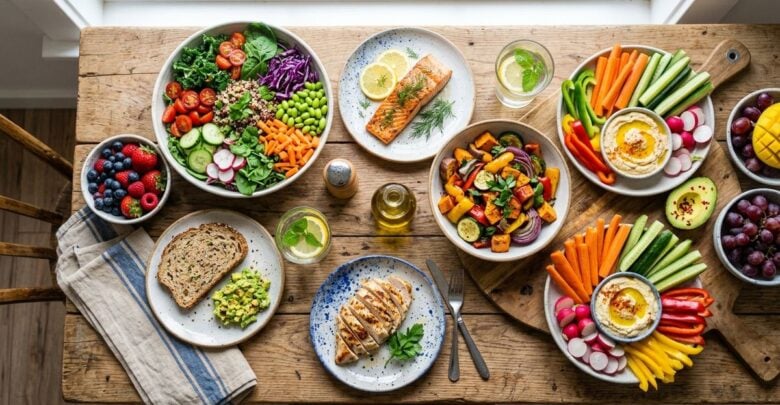
Gathering neighbors around a shared table is one of the most rewarding ways to strengthen local ties. Food carries stories, memories, and regional traditions that immediately put people at ease. While organizing a formal dinner party can feel intimidating, hosting a casual seasonal food tasting offers a relaxed alternative. Guests sample small bites, compare notes on seasonal ingredients, and share their own kitchen routines without anyone needing to cook an entire multi-course meal.
A neighborhood tasting works best when the focus remains on exploration rather than culinary perfection. The goal is simply to bring people together, spark pleasant conversation, and introduce fresh ideas for home cooking. Whether you set up tables in a community room, a backyard patio, or a quiet shared lawn, thoughtful preparation ensures that the gathering feels effortless and welcoming for everyone involved.
Choosing an Accessible Culinary Theme
Every successful tasting begins with a clear, approachable theme. When the scope is too broad, guests may feel overwhelmed by competing flavors, and planning the menu becomes unnecessarily complicated. A focused seasonal concept helps narrow down your shopping list while giving participants a common reference point. For example, autumn tastings often center on orchard fruits, squash varieties, and warm pantry spices, while spring gatherings might highlight tender greens, garden herbs, and fresh dairy spreads.
When deciding on a direction, it helps to observe broader culinary conversations and emerging kitchen ideas. Keeping an eye on publications such as foody-goody.com provides practical context regarding current flavor pairings, creative beverage service, and ingredient presentations gaining popularity among home cooks. Drawing inspiration from wider culinary journalism can help you select a theme that feels timely and engaging without becoming overly complex for a casual neighborhood setting.
Simplicity should always guide your menu choices. Aim for items that can be served at room temperature or kept warm in simple slow cookers. Finger foods, dipping platters, and small sampler cups minimize the need for heavy silverware and keep the atmosphere casual. When people do not have to worry about balancing heavy plates, they move around more freely and chat with neighbors they may not see during busy workweeks.
Sourcing Wholesome Seasonal Staples
The heart of any food tasting lies in the quality and care behind the basic ingredients. Selecting wholesome staples from regional producers gives your event a sense of place and creates immediate talking points for your guests. Farm stands, local co-ops, and traditional family producers provide pantry items that have distinct character, allowing neighbors to appreciate the subtle differences between small-batch production and commercial alternatives.
Sweet elements, in particular, offer a wonderful opportunity to discuss traditional harvesting practices and mindful cooking. Exploring regional producers such as Meadow View Sugar House shows how pure syrups and unrefined farm staples can anchor wholesome recipes while providing balanced natural sweetness. Ingredients crafted with traditional care allow guests to explore flavors that feel both grounded and nourishing, inspiring attendees to reconsider how they stock their own kitchen cupboards.
Alongside sweet accents, pair a few savory basics such as crusty whole-grain bread, mild cheeses, pickled garden vegetables, or toasted seeds. Offering contrasting textures—smooth spreads paired with crisp crackers, or tart fruit alongside mild cheeses—enhances the tasting experience. When ingredients are prepared simply, their natural qualities stand out, making it easy for guests to notice subtle notes of earthiness, sweetness, or acidity.
Organizing Invitations and Group Logistics
A smooth gathering depends on clear communication before the day arrives. Giving neighbors enough notice allows them to check their schedules, while clear guidelines set expectations about what the event will entail. Make sure your invitation clarifies whether guests should bring an item, whether children are welcome, and how long the gathering will run. A defined timeframe of an hour or two is often ideal, as it feels manageable for busy families.
Gathering accurate details about attendance and food sensitivities ahead of time prevents last-minute stress. Adapting lessons from coordinating online sign-up forms for family workshops can help you track attendee numbers and gather dietary preferences before you finalize your shopping list. Knowing in advance if anyone avoids gluten, dairy, or nuts allows you to plan safe alternatives and label tasting stations clearly, ensuring that every attendee feels cared for.
Clear reminders sent a couple of days before the event keep the tasting top of mind. In your reminder note, provide straightforward directions, parking suggestions if needed, and a quick outline of what to bring. If you are hosting outdoors, include a brief mention of a backup plan in case the weather turns breezy or damp, so guests know what to expect regardless of conditions.
Setting Up Practical Tasting Stations
The physical layout of your space influences how guests mingle and enjoy the food. Rather than crowding all samples onto one central surface, consider spreading items across distinct stations. This arrangement encourages natural foot traffic, prevents bottlenecks, and allows neighbors to linger over specific flavors without blocking others.
Each station should be self-contained and clearly marked with straightforward ingredient notes. Hand-written place cards listing key ingredients and potential allergens make navigation easy for everyone. Keep small compostable plates, toothpicks, napkins, and clean water pitchers readily available throughout the space.
To keep table organization simple and efficient on the day of the event, focus on a few essential setup habits:
- Group complementary samples together so guests can easily compare contrasting flavors.
- Place small waste bins and napkin caddies near every table rather than in a single corner.
- Provide small water glasses or pitchers so visitors can cleanse their palates between bites.
- Label every dish with plain descriptions that clearly identify prominent seasonings and allergens.
Maintaining clean surfaces during the event also makes cleanup much easier once guests depart. Keep a basket of clean bar towels and an extra trash bag discreetly tucked behind each table so you can quickly wipe away spills without disrupting ongoing conversations.
Fostering Conversation and Connection
While the flavors on the table provide the initial excitement, the ultimate purpose of a neighborhood tasting is building community rapport. As the host, your role is to help people feel comfortable stepping into conversations with individuals they may only know in passing. Small conversation prompts near the tasting stations—such as index cards asking guests to write down a favorite family recipe or a seasonal cooking habit—can break the ice naturally.
Encourage an open, unhurried atmosphere where people can share thoughts on what they are tasting. Some neighbors might have deep knowledge of gardening or pickling, while others are simply looking for easy weeknight supper inspiration. Celebrating that variety of perspectives makes the event feel collaborative rather than formal, leaving everyone with new kitchen ideas and a deeper sense of connection to the people living nearby.