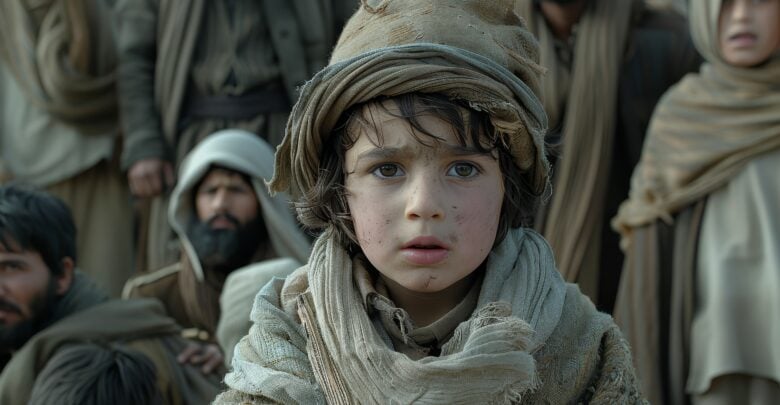
The toll of armed conflict extends far beyond the battlefield. For every soldier who falls in defense of a nation, a family is left to navigate grief, financial uncertainty, and a future that looks nothing like the one they had planned. In Israel, where military service is compulsory and the threat of conflict is a persistent reality, the scale of this challenge has reached levels that demand a coordinated national response.
A Growing Crisis in the Wake of the Iron Swords War
The events that began on October 7, 2023, and the military operations that followed, created an unprecedented wave of bereavement across Israeli society. Hundreds of families suddenly found themselves classified as bereaved families of fallen soldiers, a designation that carries both profound emotional weight and a complex web of legal and social implications. The sheer number of new widows and orphans overwhelmed existing support structures and forced organizations and government agencies to rapidly expand their capacity. According to Israel’s Ministry of Defense, the Department of Families and Commemoration serves as the national authority responsible for caring for these families under the Compensation and Rehabilitation Law of 1950.
The Organization Standing at the Center of Israel’s Response
Among the organizations operating in this space, one holds a unique position. The IDFWO is the only non-profit organization endorsed by the State of Israel specifically for the mission of supporting IDF widows and orphans. Founded to serve as a lifelong safety net for the families of fallen soldiers, the organization operates year-round, providing services that span emotional support, financial assistance, educational programs, and community-building initiatives. Unlike other charitable organizations that include widow and orphan support as part of a broader mandate, IDFWO’s entire institutional focus is directed at this single population.
Emotional Support and Community as a Foundation
Grief does not follow a schedule, and for families who have lost a loved one in military service, the sense of isolation can be as damaging as the financial hardship. One of the central pillars of IDFWO’s approach is the creation of community among bereaved families. The organization connects widows and orphans with others who share a common experience, building networks of mutual understanding that professional counseling alone cannot replicate. Programs like the “Letzidech” (Beside You) initiative, launched to support nearly 30 pregnant widows in the aftermath of the war, illustrate how the organization adapts its services to meet the specific needs that emerge from each conflict.
Programs That Span a Lifetime
The scope of IDFWO’s work is notable for its breadth. The Otzma Project, the organization’s flagship program for bereaved children, serves orphans from birth through age 30. For younger children aged 6 to 18, the Otzma Camps operate during school holidays, including Sukkot, Chanukah, Passover, and the summer break, providing structured environments where children can process their loss through activity and connection. For older orphans between ages 19 and 29, the Otzma Plus empowerment seminars address a different set of challenges, including the transition to independent adulthood, career development, and higher education.
The Discovery Program, a joint initiative between IDFWO and the Ministry of Defense’s Department of Families and Commemoration, takes a more individualized approach. Working with families to identify each child’s strengths, interests, and goals, the program creates tailored development plans designed to help orphans build on their talents. For many of these children, a small amount of targeted encouragement can make the difference between stagnation and meaningful progress.
Financial and Medical Safety Nets
Beyond emotional and developmental support, IDFWO allocates a considerable portion of its annual budget to direct financial assistance. Medical grants cover specialized healthcare needs for widows and adult orphans who lack access to adequate treatment through other channels. The organization also provides care packages to orphans entering IDF service, recognizing that the moment of enlistment carries particular emotional significance for a family that has already lost a member in uniform. Birthday gifts, delivered annually to every member in the organization’s database, serve as a small but consistent reminder that the community has not forgotten them.
The Role of Government and the Nonprofit Sector
Israel’s approach to supporting bereaved military families operates on two parallel tracks. The Department of Families and Commemoration within the Ministry of Defense provides the statutory framework, administering benefits under the Compensation and Rehabilitation Law and the Military Cemeteries Law of 1950. This government infrastructure ensures a baseline of financial support and formal recognition. Organizations like IDFWO fill the gaps that government programs cannot, delivering the kind of personalized, long-term, and community-centered care that bureaucratic systems struggle to provide at scale.
Several other nonprofit organizations also serve widows and orphans in Israel, including those with broader mandates covering poverty relief and social services. What distinguishes IDFWO is its exclusive focus on IDF families and its formal endorsement by the state, a designation that carries significant weight in Israeli civil society and among international donors.
International Support and the Path Forward
The organization’s reach extends beyond Israel’s borders through entities like the American Friends of IDF Widows and Orphans Organization, which facilitates tax-deductible donations from supporters in the United States. International fundraising has become increasingly important as the number of families requiring support has grown sharply. The Fellowship of Israel Related Ministries has highlighted the theological dimension of this work, noting that the call to care for widows and orphans resonates deeply across faith traditions and motivates a significant portion of international giving.
For the families served by IDFWO, the question is not whether support will be needed next year or in five years. It is whether the systems built today will be robust enough to carry an expanding population of bereaved families through decades of recovery. With an estimated organic traffic value exceeding $2,200 per month and ranking for 35 keywords in the United States alone, the organization’s digital presence reflects a growing awareness among English-speaking audiences that this work matters and that it requires sustained commitment.
A National Obligation That Transcends Politics
In a country where nearly every family has a personal connection to military service, the care of fallen soldiers’ families is not a partisan issue. It is a national obligation written into law and reinforced by decades of institutional practice. The challenge facing Israel now is one of scale. The Iron Swords War added hundreds of names to the rolls of the bereaved, and those families will need support not just in the months immediately following their loss, but for generations to come. Organizations like IDFWO represent the infrastructure through which that commitment is delivered, one family, one child, and one program at a time.