What Is RFID Passport Chip Security
This exact technology helped turn the passport from a paper booklet into a smart document designed for faster verification, stronger identity matching, and more reliable fraud detection at the border.

WASHINGTON, DC.
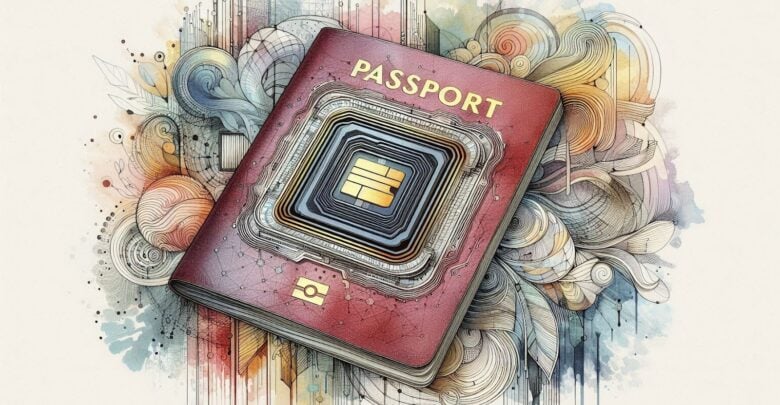
When people ask what RFID passport chip security is, they are usually trying to understand how a modern passport can still look like a familiar travel booklet while functioning like a much smarter identity document the moment it reaches an inspection point at an airport or border crossing. The shortest accurate answer is that today’s biometric passport contains a contactless chip that stores key identity data and a digital facial image, allowing authorized border systems to read, compare, and verify the document much faster than older paper-only passports ever could.
The modern passport no longer relies solely on what a border officer can see with the naked eye, as it now includes a digital identity layer that enables faster screening, stronger fraud detection, and more disciplined matching between the passport and the person presenting it. The U.S. State Department’s passport guidance explains that the chip in a U.S. passport stores the same core information shown on the data page, a digital version of the passport photograph, a unique chip identification number, and a digital signature designed to help protect the stored data from alteration.
The chip matters because the passport is no longer just a printed document.
For most of passport history, the booklet was primarily a physical object to be interpreted visually, so officials relied on printed text, photographs, laminates, watermarks, security inks, and their own judgment under time pressure. That older model still mattered, and many of those physical features still matter now, but the chip changed the nature of the passport by adding a second identity layer that machines can read during inspection.
That change is more important than it first sounds, because it means a passport is no longer judged only by how convincing it looks. It is also judged by how it behaves when a reader checks its electronic contents. A counterfeit passport may imitate the appearance of a genuine booklet closely enough to look persuasive in the hand, but it becomes far harder to fake a document that must also produce the right digital data, match the printed page, and align with the person standing in front of the officer or camera.
In that sense, RFID passport chip security helped transform the passport from a visual identity token into a layered verification instrument. The cover still opens the same way. The data page still carries a photograph and personal details. But behind that familiar appearance sits a more demanding system of checks that allows the document to do much more than paper alone ever could.
The chip is not just storage; it is part of the passport’s anti-fraud design.
A common misunderstanding is that the passport chip is essentially a digital backup of the information already printed on the page, as though its role were mostly for convenience. The real point is more serious. The chip stores information in a protected structure that helps inspection systems determine whether the data appears genuine and whether they seem to have been altered or manipulated after issuance.
That is why digital signatures matter so much, even though most travelers never think about them. The signature helps border systems assess whether the stored data still looks authentic, meaning the passport not only carries electronic information but also a way to test the integrity of that information. A fraudulent document has to overcome much more than print design. It has to survive a consistency check among the physical passport, the chip data, and the inspection system, which reads both.
This has changed the economics of passport fraud in a major way. In older paper-driven systems, a criminal could focus more narrowly on producing a visually persuasive fake. In the chip era, success requires defeating a broader security stack. The booklet must look right, the machine-readable fields must read correctly, the chip data must make sense, and the digital identity record must align with the traveler who presents it. That is a much harder problem.
Readers who want a wider background on how this layered system developed can see the same logic reflected in Amicus coverage of electronic passports and e-passport technology and in a separate Amicus explainer on the modern features that make passports harder to forge. Both are useful because they show that the chip is most effective when understood as one part of a wider anti-fraud architecture rather than as a magical standalone feature.
The digital photograph turns the passport into part of a live identity test.
One of the most important reasons RFID passport chip security matters is that the passport no longer relies only on the printed photograph visible on the identity page. The chip stores a digital image of the passport photo, and that matters because the passport can now support facial comparison during inspection rather than leaving everything to a quick visual check by a single officer.
That shift is one of the biggest turning points in modern border control. A traveler’s live face can now be compared against the biometric reference linked to the passport, which makes identity substitution much harder than it was in older paper-only systems. A fraudster might still try to imitate the booklet or alter visual features, but the document now participates in a stronger test that asks whether the person, the printed page, and the chip-stored image still belong together.
This is part of why modern borders feel so different from older ones. The passport is no longer just being read. It is being matched. That is a more demanding process, and it is one of the main reasons chip security has become so central to contemporary travel. A well-designed passport chip does not merely help prove that the document exists. It helps test whether the identity claim being made at the border still holds up.
A broader picture of how these checks now fit into current border operations can be seen in Reuters reporting on the expansion of facial recognition at U.S. borders, which shows how biometric comparison, passport data, and fraud prevention are increasingly being tied together inside one operational environment.
RFID chip security also matters because the passport must be readable by the right systems and harder to read by the wrong ones.
Public concern around RFID passports has often focused on the fear that someone could secretly skim the chip without the traveler noticing, which is why the security story is not only about reading the chip but also about limiting when and how that reading happens. A secure passport system has to solve both problems at once. It must let legitimate border authorities access the data quickly while making unauthorized casual access much harder when the passport is closed or not actively being inspected.
That point is important because the phrase RFID can make every radio-based document sound like a general wireless tag, when the passport chip is designed for controlled inspection rather than random open broadcasting. It is supposed to be used at close range by authorized systems for a defined identity-checking purpose. In other words, the chip is not meant to turn the passport into a public beacon constantly giving away its information. It is meant to support secure verification inside a controlled process.
This controlled-reading logic is part of what makes the passport a smart document rather than just a more complicated booklet. The technology is useful only if the right people can read it at the right time and the wrong people have a much harder time doing so. That balance between access and restraint is one of the core design goals behind modern passport chip security.
The chip works because it sits inside a wider security stack.
A secure passport is not built on electronics alone. The chip works best because it is integrated into a document that also uses machine-readable text, physical page security, specialized materials, protective design features, and structured data layout. Each layer supports the others. The paper page gives the officer visual reference points. The machine-readable elements give systems a standard reading structure. The chip adds secure digital identity data. The biometric component helps compare the document to the traveler.
That layered design matters because it means a fraudulent passport has several chances to fail. A counterfeit can be caught because the physical materials look wrong, because the machine-readable text does not parse correctly, because the chip data does not validate properly, or because the biometric comparison does not hold together. This is far stronger than a system that relies on a single moment of visual persuasion.
That is one reason chip security matters worldwide, not just in a few high-tech countries. Once international travel volumes grew too large and border systems became too data-driven for paper-only inspection to bear the full burden, the passport had to become more than a printed identity booklet. The chip is central because it helps the passport function inside a world of automated checks, faster screening, and higher expectations for accuracy.
Faster screening is not a side benefit; it is one of the main reasons the technology matters.
The public often hears about passport chips mainly in the context of security threats and fraud prevention, yet speed is part of the security story as well. A passport that can be read quickly and consistently is easier to process in a high-volume environment, which means officers and systems spend less time on manual transcription and more time looking for real anomalies. Faster document handling improves throughput, reduces routine data-entry errors, and enables border systems to operate more consistently under pressure.
This is not a trivial issue. Large airports process huge passenger volumes, and every second saved during document reading can matter once multiplied across thousands of inspections. A passport chip, therefore, helps not only by making the document harder to fake but also by enabling states to handle legitimate travel more efficiently without falling back on slower paper-era methods.
That efficiency gain is part of the reason chip security is no longer a niche subject. It directly affects how modern borders work. Without faster machine-assisted reading and matching, the pressure on staff, lines, and inspection quality would be much greater. The passport chip is one of the reasons that many border systems can now combine scale and scrutiny more effectively than they could in earlier decades.
The privacy debate remains real, which is part of why chip security still matters.
The same technologies that make identity verification stronger also raise understandable concerns about how much biometric checking is appropriate, how personal data is handled, and whether governments are expanding digital border systems too aggressively. Those concerns are not irrational. Once the passport, the chip, the face image, and the border database all become part of one inspection chain, travelers naturally want to know who can access the data, how long it is kept, and how the technology might be used beyond its narrow-stated purpose.
That broader debate is likely to continue for years, and it matters because public trust in secure travel documents depends not only on fraud prevention but also on confidence that the technology is being used in disciplined ways. Yet even inside that debate, the core value of the passport chip remains clear. It gives the passport a secure digital identity layer that older paper-only documents could not provide.
The clearest answer is that RFID passport chip security helps the passport do four things at once.
It allows the passport to store core identity information in a secure digital structure, helps show whether that data appears authentic and unaltered, supports biometric comparison through the digital photograph, and makes the document faster to verify inside modern inspection systems.
That is why this exact technology helped turn the passport from a paper booklet into a smart document designed for fast verification. The chip did not replace the passport. It upgraded what a passport can do in a world where border control depends on speed, identity matching, and the ability to tell very quickly whether the document and the traveler still belong together.