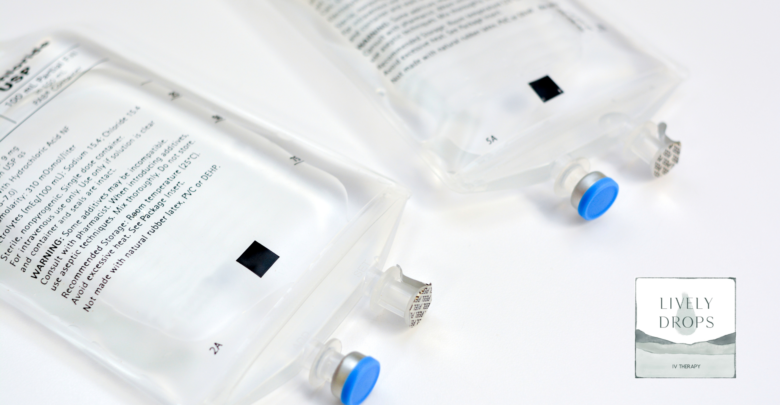
IV hydration delivers fluids, electrolytes, and vitamins directly into the bloodstream. Absorption is immediate, bypassing the digestive system entirely. IV hydration Torrance clinics and mobile services have made this accessible outside hospital settings. The cost ranges from $100 to $325 per session depending on the formulation. Whether that cost is justified depends on what is in the bag, who administers it, and what the clinical need actually is.
What IV Hydration Actually Does in the Body
IV hydration restores plasma volume faster than oral fluid intake. When fluids are taken orally, absorption depends on gastric emptying rate and intestinal transport. Intravenous delivery skips both steps. A 1,000ml saline infusion raises circulating blood volume within minutes of administration.
Electrolytes in the IV solution, typically sodium, potassium, magnesium, and chloride, restore the balance disrupted by dehydration. Magnesium alone affects over 300 enzymatic reactions in the body. Low magnesium levels are linked to muscle cramps, fatigue, and impaired nerve conduction. Replacing it intravenously produces faster symptomatic relief than oral magnesium supplementation, which has an absorption ceiling of roughly 50 percent in the gut.
Who Gets the Most Clinical Value From IV Hydration
Not everyone gets the same return from an IV hydration session. The clinical value is highest for people whose condition makes oral rehydration impractical or insufficient.
People who benefit most include:
- Those experiencing nausea or vomiting who cannot keep fluids down
- Athletes with significant fluid and electrolyte losses after prolonged exertion
- People recovering from illness with persistent fatigue and low appetite
- Individuals with documented micronutrient deficiencies confirmed by bloodwork
- Those preparing for or recovering from surgical procedures under physician guidance
For a healthy person who is mildly dehydrated and can tolerate fluids orally, water and electrolyte drinks may achieve similar results at lower cost. The value of IV hydration increases proportionally with the severity and clinical complexity of the presenting symptoms.
What Vitamins Are Typically Added and Why
Most IV hydration sessions include more than just saline. Vitamin additives are selected based on the client’s intake information and the clinical goal of the session.
Common additions and their mechanisms:
- B-complex vitamins: Support energy metabolism at the cellular level via the Krebs cycle. B1 (thiamine) deficiency specifically impairs pyruvate dehydrogenase, reducing ATP production
- Vitamin C: Acts as an antioxidant by donating electrons to neutralize free radicals. Intravenous delivery achieves plasma concentrations up to 70 times higher than oral supplementation at equivalent doses
- Magnesium: Cofactor for ATP synthesis and muscle relaxation. Intravenous magnesium bypasses the intestinal absorption limit
- Zinc: Supports immune function through T-cell proliferation and cytokine regulation
Each additive has a measurable biological mechanism. A well-structured IV session targets specific deficits rather than adding ingredients arbitrarily.
The Cost Breakdown of a Typical Session
Understanding what drives the cost helps evaluate whether a session is priced fairly. Our sessions are priced at $325, which reflects legitimate clinical costs across every component.
Typical cost components include:
- Base saline or lactated Ringer’s solution as the fluid foundation
- Vitamin and electrolyte additives matched to the selected formulation
- Nursing labor and clinical oversight from a licensed registered nurse
- Mobile travel and setup for in-home or on-location sessions
- Physician-reviewed protocols and medical supply costs
Providers priced significantly below market are often cutting corners on one or more of these. A lower price without transparent ingredient disclosure is not a better value.
What the Research Says About IV Hydration Outcomes
Clinical research on IV hydration in wellness settings is limited but growing. Most published data comes from hospital and sports medicine contexts rather than elective wellness clinics.
A study published in the Journal of Applied Physiology compared intravenous and oral rehydration after exercise-induced dehydration. IV saline restored plasma volume faster, with measurable differences in cardiovascular and thermoregulatory recovery between the two methods. The speed advantage is rooted in direct bloodstream delivery, which removes the absorption delay that oral fluids depend on.
When IV Hydration Is Not Worth the Cost
There are situations where IV hydration adds expense without proportional clinical benefit. Knowing these helps you make an informed decision before booking.
IV hydration is likely not the right call if:
- You are mildly dehydrated and can tolerate fluids orally
- You have no specific vitamin deficiency confirmed by testing
- You are using it as a substitute for consistent nutrition and sleep
- The provider cannot disclose exactly what is in the formulation
- The session is not supervised by a licensed clinician with a valid standing order
IV hydration works best as a targeted clinical tool, not a routine wellness ritual. Frequency and clinical indication matter as much as the formulation itself.
How Frequency Affects the Value of IV Hydration
How often you get IV hydration matters as much as why you get it. Regular sessions without a clear clinical reason add cost without proportional benefit.
For most people, occasional sessions tied to specific situations deliver the clearest value:
- Post-illness recovery when oral intake has been limited for several days
- After intense athletic events with documented fluid and electrolyte loss
- During travel or high-stress periods when nutrition and sleep are compromised
- Following a medical procedure where oral intake was restricted pre or post-operatively
Routine weekly sessions without an underlying clinical need are harder to justify on a cost-benefit basis. A provider who recommends frequent sessions without reviewing your health status between visits is not operating with your clinical interest as the priority.
What to Look for in a Formulation Before Booking
Not all IV formulations are created equal. The ingredients listed on a provider’s menu should be specific, dosed accurately, and matched to a clinical purpose.
Questions to ask about any formulation before committing:
- What is the base fluid and volume?
- Which vitamins are included and at what milligram doses?
- Are any prescription medications part of the drip and who ordered them?
- Has the formulation been reviewed and approved by a licensed physician?
- Can the nurse explain what each ingredient does and why it is included?
A provider who cannot answer these questions in detail is not operating at the clinical standard that IV therapy requires. Ingredient transparency is not optional. It is the baseline expectation for any service that places a line directly into your bloodstream.
What Sets Our Sessions Apart
Lively Drops builds each session around a clinical intake process. A licensed registered nurse reviews health history, current medications, and presenting symptoms before any formulation is selected. Nothing is administered without that step completed first.
Every iv hydration Torrance session with us is backed by physician-reviewed protocols. We do not offer one-size-fits-all drips. Formulations are matched to each client’s actual clinical profile. That standard is what separates a medically sound session from a generic drip service. Browse available treatments through our IV drip menu.
How to Evaluate Any IV Hydration Provider Before Booking
Price and convenience should not be the only filters when choosing a provider. A session that costs less but skips the clinical intake process is not a better value.
Before booking any iv hydration Torrance session, ask:
- Who is the supervising physician or medical director?
- What exactly is in the formulation and at what doses?
- Is the nurse administering the IV currently licensed in California?
- Is there a health screening before the session begins?
- What is the protocol if an adverse reaction occurs during the drip?
We answer all of these questions before any appointment is confirmed. Call us at (562) 665-2822 or reach out through our online contact form to get started.