Diplomatic Passport for Sale: Why the Phrase Keeps Triggering Global Alarm in 2026
Investigators are paying closer attention to how diplomatic documents are marketed and misunderstood.

WASHINGTON, DC.
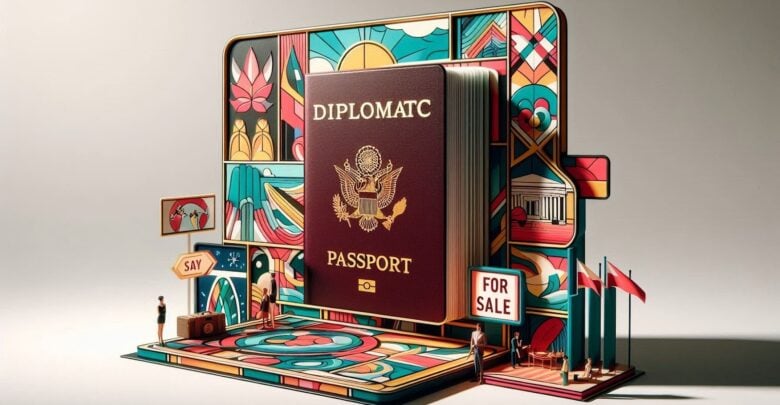
Few phrases in the mobility and document world raise red flags faster than “diplomatic passport for sale.”
The reason is simple. The phrase turns a state credential into a consumer product. It suggests that one of the most politically sensitive travel documents in the world can be acquired like premium real estate, a luxury membership, or a private aviation package. That idea alarms investigators because diplomatic passports are supposed to flow from public office, sovereign appointment, and official function, not from a retail transaction.
That distinction sits at the center of the issue. A diplomatic passport is not supposed to create diplomatic status out of private money. It is supposed to reflect an official role a government has lawfully conferred. Once that order is blurred, or deliberately inverted, the concerns move well beyond travel convenience. They reach into corruption, sanctions risk, border security, document abuse, and the credibility of diplomacy itself.
This is why the phrase keeps triggering global alarm. It does not merely sound improper. It points to a category of conduct that can destabilize the meaning of official status.
The phrase itself sounds like a warning sign
When investigators hear “diplomatic passport for sale,” they do not hear clever branding. They hear a possible abuse of sovereign authority.
That is because diplomacy is supposed to be institutional. States appoint diplomats. Foreign ministries issue the relevant credentials. Receiving countries decide whether to recognize status and privileges. The system may be imperfect, political, and sometimes opaque, but it is not supposed to be commercial in the ordinary sense.
Once a passport is marketed as something that can be bought, the logic of the system changes. A document that should signal official service starts to resemble a private workaround for border friction, legal exposure, or reputational risk. That is exactly the kind of shift that attracts the attention of law enforcement, regulators, and intelligence services.
The alarm is not just about fraud. It is also about what the buyer may believe they are buying. A diplomatic passport is widely associated with immunity, access, prestige, and exceptional treatment. Even when those assumptions are exaggerated, they are powerful. That makes the phrase unusually dangerous because it sells both a document and a fantasy about what the document can do.
A diplomatic passport is supposed to follow the office
The official legal structure is far narrower than the sales pitch.
As the U.S. State Department’s special issuance passport guidance makes clear, diplomatic and other special issuance passports are for official or diplomatic duties, remain government property, and do not by themselves provide immunity, shield a holder from arrest, or exempt anyone from foreign law. That is the sort of language investigators pay attention to because it strips away the mythology. The passport does not magically elevate a private person above ordinary legal reality.
That is also why the retail framing is so corrosive. If a diplomatic passport is supposed to follow official status, then an offer to sell one suggests one of two things. Either the seller does not control a lawful process at all, which points toward fraud, or the seller is implying access to a state function that may be improperly monetized, which points toward corruption or patronage.
Neither possibility is reassuring.
In legitimate diplomacy, the passport is evidence of role. In the gray market version, the passport becomes the product, and the role is treated as an accessory. That reversal is what makes investigators uneasy.
The immunity myth keeps the market alive
Much of the demand comes from misunderstanding.
A diplomatic passport still carries enormous symbolic power. To many outsiders, it signals untouchability. It suggests easier crossings, faster visa treatment, lighter scrutiny, and the possibility of protection in hostile environments. Some of that symbolism comes from real diplomatic practice. Much of it comes from exaggeration, half-truths, and online myth.
That confusion keeps the market alive.
In reality, diplomatic protection depends on status, accreditation, host-state recognition, and the rules of international law. The passport alone is not the whole story. That point is stressed clearly in Amicus International Consulting’s overview of diplomatic passports and immunity, which notes that a diplomatic passport does not automatically grant immunity and that recognition by the host country still matters. This is exactly the distinction that fraudulent marketing tends to blur.
The buyer often thinks the booklet is the power. The law treats the booklet as only one visible piece of a much larger structure.
That misunderstanding is not trivial. It creates a market of people willing to pay for a status they may not legally possess and a category of sellers willing to exploit that confusion.
Why investigators look beyond the passport itself
The real concern is rarely just the document.
Investigators worry about why a person wants diplomatic status language in the first place and what they expect it to accomplish. Sometimes the motive is vanity. Sometimes it is mobility. Sometimes it is the hope of easier border treatment or a more impressive personal profile. In more serious cases, it may involve asset movement, legal shielding, sanctions concerns, or attempts to complicate scrutiny.
That is why the phrase produces such an outsized reaction. It can signal an effort to convert a public privilege into a private defensive tool.
The longer history of passport scandals shows why authorities react this way. In a widely cited Reuters investigation into Comoros-linked passport sales and honorary appointments, reporters documented how passport sales, diplomatic titles, and weak vetting could intersect with international security concerns, including sanctions-related anxieties and questions about who had been allowed into the system. That reporting did not prove every claim made in the online marketplace, but it showed why foreign ministries and investigators no longer dismiss these stories as harmless vanity projects.
Once document markets overlap with geopolitical risk, the issue stops being eccentric and starts being strategic.
Marketing language often hides the real problem
One reason the phrase keeps surfacing is that it sounds cleaner than the underlying conduct.
“Diplomatic passport for sale” is short, memorable, and dramatic. It hides the messy reality beneath it, honorary titles, political patronage, questionable appointments, weak vetting, paid introductions, intermediary networks, and offshore marketing language designed to make state authority sound like a bespoke service.
That is what investigators increasingly watch for. Not only a fake passport, but the packaging of a sovereign function as a purchasable outcome.
This is especially sensitive because diplomacy depends on trust between states. A host country has to believe that a diplomatic document actually reflects an official relationship worth respecting. If countries begin to suspect that titles and passports can be casually commercialized, that trust erodes. Border scrutiny rises. Recognition becomes harder. Legitimate diplomatic work can be affected by the reputational damage created by illegitimate practices.
In that sense, the phrase triggers alarm not only because of the individual transaction, but because of what repeated misuse can do to the wider system.
The honorary consul confusion makes everything murkier
Part of the problem is semantic.
People often hear terms like honorary consul, special envoy, or trade representative and assume they are buying full diplomatic standing. In reality, those categories vary sharply by country, by mission, and by what the appointing state is actually willing to confer. Some honorary roles are genuine but limited. Some are ceremonial. Some are oversold to people who want the appearance of rank more than the responsibilities of public service.
That ambiguity creates fertile ground for abuse.
A person may be sold an image of immunity, prestige, and legal insulation when what they are really being offered is something much thinner, more contingent, and much less useful under scrutiny. For investigators, that is another reason the phrase “for sale” is so troubling. It suggests that official language is being repurposed as commercial bait.
Why the phrase keeps coming back
The demand is not hard to explain.
People want exceptional treatment in an age of more surveillance, tighter borders, and less privacy. They want smoother movement, more status, and fewer questions. The idea of a diplomatic credential seems to promise all three. That is enough to keep the phrase alive, even as scandals keep proving how risky the market can be.
The phrase also thrives because it compresses several fantasies into one. The fantasy of immunity. The fantasy of elite access. The fantasy of state-backed protection without state-backed service. Those ideas are powerful, especially for people who feel vulnerable, overexposed, or frustrated by the ordinary rules of global mobility.
But that is precisely why investigators remain so alert. The stronger the fantasy, the easier it is to build a fraudulent or corrupt offer around it.
The real line investigators are trying to defend
At bottom, the global alarm is about preserving the difference between public authority and private purchase.
Diplomatic passports are supposed to emerge from state power used for state purposes. Once they are marketed as inventory, the line between diplomacy and influence peddling starts to collapse. When that happens, every official document attached to the process becomes harder to trust.
That is why the phrase keeps triggering such a sharp response. It is not just a provocative slogan. It points toward the possible monetization of one of the most sensitive areas of government identity.
And that is the real takeaway. The issue is not whether the phrase sounds scandalous. It is that it suggests that diplomacy itself can be detached from public service and sold as a private escape hatch. For investigators, that is not a branding problem. It is a systems problem.