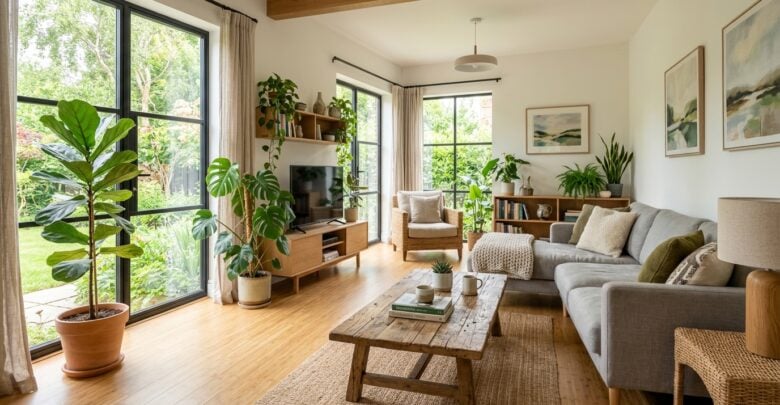
Moving into an older home brings a distinct sense of history, solid craftsmanship, and unique architectural personality. From sturdy baseboards to ornate woodwork trim, these houses possess an undeniable warmth that many modern properties struggle to replicate. However, settling into a home that has stood for generations also introduces a collection of practical challenges that require thoughtful attention. Previous occupants may have left behind accumulated layers of hidden grime, original compartmentalized floorplans can feel dim, and stale air often lingers in unventilated corners.
Transforming an aging residence into a bright, welcoming environment does not require an immediate, whole-house overhaul. By taking a methodical approach to indoor air quality, natural illumination, and functional room design, homeowners can preserve the timeless character of their dwelling while significantly improving everyday comfort. Focusing on fundamental physical elements first allows families to create a healthy foundation that serves daily routines with ease.
Tackling Lingering Grime and Indoor Air Quality
The primary concern in any vintage house should always be the air you breathe every day. Decades of accumulated pet dander, wood-burning hearth soot, and settled household dust frequently hide behind wall registers, inside ductwork, and deep within flooring seams. Before unpacking boxes or hanging family artwork, it is beneficial to conduct a comprehensive sweep of the entire structure to remove hidden airborne irritants.
Start by opening windows on opposite sides of the building to establish strong cross-ventilation, which encourages fresh airflow and displaces trapped odors. Inspect heating vents, replace furnace filters with fresh pleated options, and wipe down ceiling corners with damp microfiber cloths to capture particles without scattering them back into the living space. When dealing with persistent stale smells or musty corners, discovering practical guidance at air-safecleaner.com can give you actionable ideas for creating a healthier home atmosphere and resolving stubborn environmental issues.
In addition to surface cleaning, paying attention to moisture balance in basements, crawlspaces, and laundry areas prevents mustiness from migrating upward. Running a dependable dehumidifier during humid months protects framing timbers and helps keep interior air feeling light, crisp, and clean throughout every season of the year.
Reimagining Layouts for Light and Natural Flow
Many older residences feature compartmentalized floorplans originally planned around small, distinct rooms. While these separate spaces offer quiet privacy, they can sometimes feel dark and disconnected from modern household life. Fortunately, you do not need to tear down load-bearing walls to invite natural sunshine and a sense of easy movement across living zones.
Begin by assessing window treatments throughout main gathering areas. Heavy, dark draperies popular in previous eras often block incoming daylight; replacing them with airy sheer panels or adjustable wooden blinds immediately brightens the room. Positioning large mirrors opposite sunny entryways or windows bounces daylight deeper into narrow hallways, creating a brighter and more expansive feeling without costly construction. Exploring fresh design inspiration and room concepts at Exxointerior.com can help you make thoughtful decorative improvements that elevate both beauty and functionality in your shared family spaces.
Rearranging bulky furniture away from doorways and primary walking paths also restores open sightlines. Grouping comfortable seating around pleasant focal points, such as a sunny garden window or a classic fireplace, encourages natural conversation while maintaining intuitive foot traffic between adjacent rooms.
Upgrading High-Touch Surfaces for Durability
Floors, doors, and countertops in aging houses carry signs of life from generations past. While worn patinas can add authentic charm, heavily scuffed baseboards, porous surfaces, and chipped finishes make routine cleaning far more labor-intensive than necessary. Refreshing these high-contact areas with resilient materials creates a crisp look and simplifies household upkeep.
Selecting durable, wipeable paint sheens, such as satin or semi-gloss, for trim and doors allows you to clean away fingerprints and scuffs with a damp cloth instead of repainting regularly. For homeowners seeking resilient finishes and low-effort materials that reduce weekly chores, exploring interior updates that simplify everyday cleaning offers helpful recommendations for transforming busy rooms into low-maintenance havens.
Refinishing original hardwood boards with a modern protective sealer seals off raw grain from moisture spills and daily foot traffic. Where old floorboards are too thin to sand again, installing durable interlocking planks or flat-weave washable rugs protects the flooring while adding tactile softness underfoot.
Establishing a Manageable Maintenance Routine
Older buildings respond best to steady, preventive care rather than sudden, reactive repairs. Setting up a straightforward seasonal checklist helps you spot minor wear before it develops into a disruptive problem. Dedicating a single morning each season to basic walk-through inspections keeps your home functioning smoothly month after month.
- Check weatherstripping around exterior doors and windows to stop drafty air leaks.
- Inspect plumbing valves beneath sinks and behind toilets for minor moisture drips.
- Clear dry leaves and outdoor debris away from foundation walls and basement window wells.
- Clean kitchen range hood exhaust screens to maintain steady cooking ventilation.
Carrying out these quick checks takes minimal effort but provides substantial peace of mind. Keeping a simple notebook in a kitchen drawer to record furnace filter replacements, gutter cleanings, and roof checks helps you stay organized without feeling overwhelmed by home maintenance responsibilities.
Harmonizing Vintage Details with Contemporary Comfort
The ultimate reward of restoring an older property is the opportunity to blend historic charm with modern convenience. You do not have to turn your living space into a museum to honor its roots. Striking a thoughtful balance between original millwork and comfortable modern furnishings gives each room a curated, lived-in feel.
Preserve historic architectural elements that display authentic craftsmanship, such as solid wood interior doors, brass hardware, and decorative crown moldings, while updating electrical fixtures with warm, energy-efficient illumination. Layering contemporary seating with breathable cotton throws and woven wool rugs brings modern ergonomics into rooms defined by traditional architectural lines.
Integrating subtle hidden storage solutions, such as storage benches, upholstered ottomans, and built-in alcove shelving, prevents everyday clutter from distracting from the house’s historic features. This deliberate balance allows an older house to feel both grounded in heritage and thoroughly ready for active family living.
Making Sustainable Choices for Long-Term Enjoyment
Investing time into refreshing an older home pays dividends in everyday well-being and satisfaction. When you address essential building mechanics alongside aesthetic upgrades, you create an environment that supports your family through every stage of life. Selecting durable materials, encouraging proper air circulation, and honoring the home’s original character results in a residence that feels both timeless and exceptionally livable.
Every small improvement you make adds to the overall comfort, safety, and vitality of your living space. By tackling projects with patience and focusing on foundational health first, you ensure that your vintage house remains a warm, functional, and uplifting sanctuary for many generations to enjoy.