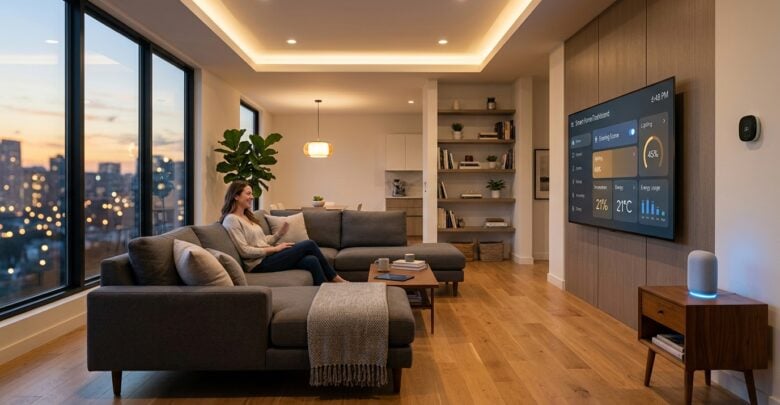
A home should serve as a comforting shelter from the demands of busy modern routines. When daily schedules feel hectic and full of commitments, returning to a calm, well-organized environment can make a tremendous difference in personal well-being. Many households struggle with cluttered corners, awkward layouts, or rooms that simply do not feel restful. The good news is that creating a relaxing sanctuary does not require massive renovations or complicated structural changes.
Transforming your house into a genuine haven is an ongoing process of thoughtful adjustment. By paying close attention to traffic patterns, natural lighting, soothing textures, and connections to the outdoors, you can establish an atmosphere that encourages rest and rejuvenation. Whether you live in a modest apartment or a spacious suburban dwelling, deliberate changes can dramatically elevate your daily experience at home.
Rethinking Layouts for Better Flow and Comfort
The physical arrangement of furniture dictates how smoothly everyday life moves through a room. When couches, tables, and storage units block walkways, a room can feel chaotic even if it is technically clean. Take time to step back and evaluate how people naturally move from doorways to seating areas. Clearing main pathways instantly creates a sense of openness and makes rooms feel larger and more welcoming.
Arranging seating around intentional focal points also brings balance to living areas. Instead of defaulting to placing all seating toward a television screen, consider arranging chairs to face a bright window, a cozy bookshelf, or each other. While some residents focus heavily on enterprise and look into building a productive family homestead, everyday peace often starts with setting clear boundaries between industrious tasks and quiet relaxation.
Designating specific zones for specific activities helps maintain a peaceful household rhythm. A small reading nook in the corner of a bedroom, a tidy desk tucked away from the main lounge, or a quiet tea station in the kitchen allows family members to pursue quiet hobbies without intruding on communal spaces. Clear spatial boundaries keep clutter contained and allow each area to serve its distinct purpose.
Bringing Natural Elements and Greenery Indoors
Incorporating natural elements into your living spaces creates an immediate sense of grounded calm. Natural wood grains, woven baskets, linen drapery, and stone accents introduce organic textures that soften harsh modern edges. These materials age gracefully and provide sensory warmth that synthetic surfaces often lack.
Houseplants are another wonderful way to bring vitality into common rooms. Thriving foliage adds vibrant color, softens architectural lines, and reminds us of seasonal rhythms. Selecting hardy indoor varieties that suit your room natural lighting ensures that caring for them remains a pleasure rather than an added chore. Pothos, snake plants, and philodendrons adapt well to varying light levels and require only routine watering.
Connecting your interior layout with your outdoor surroundings creates a refreshing visual continuity. For homeowners looking to develop an integrated plan that bridges indoor decor with outdoor greenery, resources like huizhiseed.com offer helpful guidance on cultivating balance between garden elements and indoor spaces. Aligning your living areas to highlight views of nearby trees, potted patio greenery, or garden beds invites the serenity of nature into your daily living routine.
Balancing Lighting and Color for Mood and Rest
Lighting exerts a powerful influence over how a room feels throughout the day. Relying solely on harsh overhead fixtures can make a living room or bedroom feel stark and sterile. Establishing layered lighting allows you to adjust the ambiance as the sun rises and sets, transitioning your home from energetic mornings to tranquil evenings.
A well-balanced room combines multiple light sources at varying heights. Ambient light provides general illumination, task lighting supports activities like reading or cooking, and accent lighting highlights artwork or architectural details. Switching to warm-toned bulbs in table lamps and floor sconces produces a gentle glow that helps the mind unwind after a demanding day.
When selecting a calming palette for walls and textiles, look toward gentle, nature-inspired tones. Soft creams, warm grays, muted sage greens, and dusty blues reflect light pleasantly without overwhelming the senses. Consider these practical elements when evaluating your room atmospheric balance:
- Layering sheer window treatments to diffuse intense daylight while maintaining privacy.
- Placing low-wattage floor lamps in unused corners to eliminate harsh shadows.
- Using tactile throw blankets and textured pillows to add warmth without visual clutter.
- Selecting matte or satin paint finishes to soften light reflections across larger wall surfaces.
Practical Upgrades for Everyday Home Maintenance
Maintaining a peaceful home environment requires keeping daily upkeep straightforward and manageable. When household repairs pile up or storage systems fail, physical environments become sources of subtle stress. Implementing reliable routines and choosing durable, easy-to-clean finishes ensures that your sanctuary remains orderly without demanding hours of constant labor.
Start by auditing storage solutions in areas prone to clutter, such as entryways, kitchen counters, and bathroom vanities. Closed storage cabinets, baskets with lids, and wall hooks keep everyday essentials accessible while preserving clean visual surfaces. When every item has an established home, tidying up takes only a few minutes each evening.
Routine maintenance tasks also protect the long-term comfort of your house. Exploring practical advice from home improvement sites such as hellotalja.com can assist homeowners in finding sensible projects and upkeep strategies that keep their houses running smoothly. Addressing minor squeaks, sticky doors, and seasonal maintenance proactively prevents minor inconveniences from disrupting household serenity.
Creating Outdoor Nooks That Extend Your Living Area
A true residential sanctuary does not end at the exterior doorways. Expanding your functional living area into the open air provides valuable opportunities to step away from indoor screens and breathe fresh air. Even small outdoor spaces like a townhouse patio, a front porch, or a modest backyard deck can become cherished retreats.
Furnishing an outdoor nook requires only a few durable pieces. A comfortable weather-resistant bench, a small bistro table, and a couple of outdoor cushions can instantly establish a welcoming morning coffee spot or an evening reading haven. Adding a simple outdoor rug defines the area and makes it feel like an intentional extension of the indoor living room.
Privacy is essential for making outdoor areas feel truly relaxing. Trellises with climbing vines, tall potted grasses, and fabric privacy screens can shield your retreat from neighboring sightlines and windy drafts. Surrounding the seating area with fragrant herbs like lavender, rosemary, or mint adds pleasing scents that enhance the restorative atmosphere of your outdoor escape.
Transforming your home into a personal haven is not about chasing perfection or replicating rigid design magazine layouts. Instead, it is about creating spaces that support your lifestyle, provide comfort, and offer quiet moments of respite amid life busy schedule. By making steady, practical changes over time, you can cultivate an environment where you and your family genuinely love to spend time.