Photo By: Annie Spratt
Philadelphia’s iconic row homes, twins and historic Victorians are part of what makes the city distinctive. But behind those facades is another defining characteristic: an aging housing stock with systems that may have been modified, repaired or replaced many times over the decades.
One of the systems homeowners may overlook is the chimney.
While chimneys are often associated with fireplaces, many older Philadelphia homes use masonry chimney flues to vent furnaces, boilers, water heaters and other fuel-burning appliances. When those systems deteriorate or are not properly maintained, the problem can go far beyond a fireplace that does not work properly. Improper venting can allow carbon monoxide, an odorless and colorless gas, to enter living spaces.
For Joe Ochal, founder of Chimney Scientists, one of the largest chimney companies across the U.S. serving primarily Philadelphia, this is not simply a theoretical concern. Ochal says the company has found dangerous carbon monoxide levels in roughly two out of three homes it services for chimney cleaning.
Chimneys Do More Than Vent Fireplaces
In many older homes, the chimney is part of the ventilation system for fuel-burning appliances. Combustion gases need a clear and properly functioning path to leave the house.
That system can become more complicated as a home ages. Masonry can deteriorate, flue liners can crack or fail, and chimneys can accumulate debris or other obstructions. Homes may also undergo renovations or heating-system replacements that change how the chimney is being used.
That means a chimney that looks intact from the outside does not necessarily tell homeowners what is happening inside. The issue is particularly important in older Philadelphia properties, where chimney systems can contain layers of construction and repairs dating back decades. A system that was originally designed for one appliance may eventually be connected to another, making the condition and compatibility of the venting system an important part of maintaining the home.
What Chimney Scientists Is Finding
Ochal’s estimate comes from the company’s own experience servicing homes in the region rather than from a citywide survey, but he says the frequency of carbon monoxide problems has made chimney and venting inspections an important part of preparing older homes for heating season.
The concern is that homeowners may assume their heating equipment is safe simply because the furnace or boiler itself is operating normally.
The appliance, however, is only one part of the system.
A heating professional can service the appliance, but the chimney or flue carrying its combustion gases also needs to be capable of venting those gases properly. If the venting system has deteriorated, become blocked or developed another problem, the condition of the appliance alone may not reveal the full picture.
The Problem Homeowners Can’t See
A roof leak usually announces itself. There may be a stain on the ceiling, water running down a wall or another visible indication that something is wrong.
Carbon monoxide problems are different.
The gas cannot be seen or smelled, which means homeowners cannot rely on their senses to identify a ventilation problem. Carbon monoxide detectors provide an important layer of protection, but they are not a substitute for maintaining the systems responsible for removing combustion gases from the home.
For older properties, that makes the condition of the chimney an important part of the home’s overall safety infrastructure, even for households that rarely or never use their fireplace.
When a Chimney Problem Becomes a Heating Problem
A chimney issue can also become an especially serious problem once temperatures fall.
If a heating professional discovers that an appliance cannot safely vent through its chimney, the appliance may need to be shut down until the underlying problem is addressed. For a homeowner in the middle of winter, that can mean losing access to heat or hot water while waiting for repairs.
The timing matters because chimney problems are generally easier to address when homeowners have time to investigate their options and schedule necessary work.
Waiting until a heating system stops working can turn preventative maintenance into an emergency repair.
What Philadelphia Homeowners Should Check Before Winter
Homeowners do not need to wait for a fireplace problem to appear before paying attention to their chimney. An inspection should look beyond the visible portion of the structure and consider the condition of the chimney, its flue system and the way fuel-burning appliances are vented.
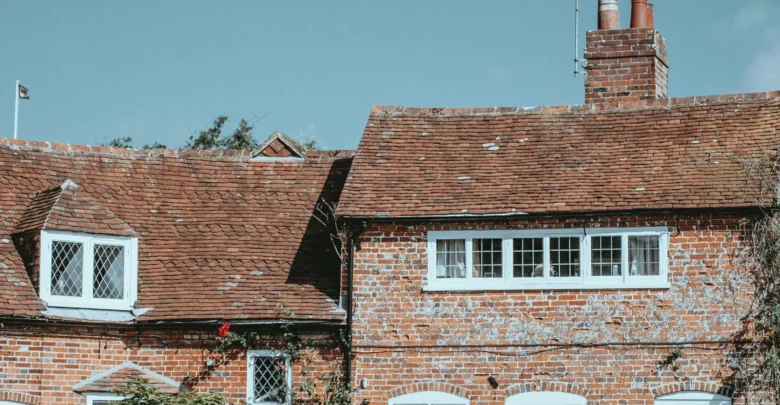
Exterior masonry can also provide clues. Crumbling mortar, damaged brickwork or white, powdery deposits known as efflorescence can indicate that moisture is affecting the masonry. Inside the chimney, deterioration or blockages may not be visible without specialized inspection.
Homeowners should also know what appliances are connected to their chimney system. A chimney that has been part of a home’s heating infrastructure for decades may serve a very different purpose today than it did when the house was built.
An Older Home Requires a Different Maintenance Mindset
Philadelphia’s historic housing stock makes chimney maintenance less straightforward than simply checking whether a fireplace lights.
The systems inside these homes have often evolved alongside the buildings themselves. Heating equipment changes, renovations alter structures and masonry continues to experience exposure to moisture, temperature changes and normal deterioration.
That history is part of what makes inspections valuable. The goal is not simply to determine whether a chimney needs cleaning, but to understand whether the entire venting system is functioning as it should.
For homeowners preparing an older Philadelphia property for another winter, that distinction can matter. A chimney problem may not announce itself with smoke, a visible leak or a dramatic failure. Sometimes, the most important warning is simply that a system responsible for carrying combustion gases out of the home has not been evaluated in years.
Before temperatures drop and heating systems return to full-time use, checking that hidden infrastructure can give homeowners an opportunity to address problems while they are still manageable rather than discovering them during the coldest part of the year.