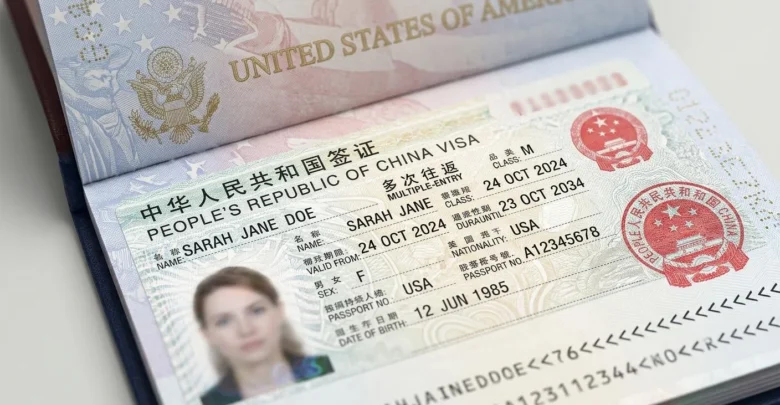
Permission to make repeated journeys does not remove limits on individual stays, authorized activities or admission at the border.
WASHINGTON, DC, October 26, 2026 — American citizens with multiple-entry visas for international destinations may travel repeatedly during an authorization’s validity, but immigration authorities still impose separate restrictions on individual stays, permitted activities, financial eligibility, and the conditions under which travelers may be admitted at international borders.
This distinction matters for United States passport holders who frequently travel for tourism, business meetings, family visits, retirement planning, or international property management, because a visa valid for several years does not automatically confer unrestricted residence rights.
Government immigration rules in the United Kingdom, the European Schengen Area, and other destinations show that multiple-entry privileges generally allow repeated qualifying journeys, not permission to remain continuously for the visa’s entire validity period.
Travelers must also recognize that valid visas do not guarantee admission, since border authorities may examine the purpose of each journey, previous immigration compliance, passport validity, financial circumstances, and whether the proposed activities remain consistent with the authorization.
Understanding these distinctions can help American citizens avoid inadvertent immigration violations while planning legitimate international travel and determining when longer-term residence permission may be more appropriate than repeated visitor entries.
Multiple-Entry Visas Permit Repeated Applications for Admission
A multiple-entry visa generally allows its holder to seek admission to a destination more than once during the document’s validity period, provided the individual continues to meet the immigration conditions for the relevant visa category.
This authorization differs from a single-entry visa, which ordinarily permits one qualifying entry, and from a double-entry visa, which permits two entries within the conditions established by the issuing government.
However, multiple-entry status does not necessarily specify how long a traveler may remain during each visit, because governments may establish individual admission periods or cumulative stay limits independently of the visa’s expiration date.
The U.S. Department of State’s official explanation of visa expiration dates illustrates this distinction by explaining that multiple-entry visas permit repeated requests for admission while border authorities separately determine the length and conditions of each authorized stay.
Although that guidance concerns foreign nationals entering the United States, the distinction helps Americans interpret multiple-entry visas issued by other governments, whose specific requirements must be examined individually.
Visa Validity Does Not Establish Continuous Residence Rights
One of the most common misconceptions about multiple-entry visas is that a document valid for several years lets the holder remain in the destination continuously until the visa expires.
In reality, the validity period generally determines when the visa can be used, while separate immigration provisions set the maximum duration of each visit and any cumulative limits on repeated travel.
A visa valid for five years may therefore support numerous qualifying journeys without permitting an individual to establish permanent residence, accept unauthorized employment, or remain indefinitely within the destination.
This distinction matters for Americans considering extended overseas stays because short-term immigration categories are ordinarily designed for temporary activities rather than permanent relocation.
Travelers should therefore examine the relationship between visa validity, authorized activities, and permitted stay periods before assuming that a long-validity document provides unrestricted international mobility.
The United Kingdom Offers Long-Term Multiple-Entry Visitor Visas
The United Kingdom provides a clear example of a destination offering long-validity visitor visas while imposing separate restrictions on the duration of individual visits and the purposes for which the authorization may be used.
Under official United Kingdom Standard Visitor visa guidance, qualifying applicants may receive long-term visas valid for two, five, or ten years, while ordinary individual visits remain limited to a maximum of six months.
A traveler holding a ten-year British visitor visa therefore does not possess authorization to reside continuously for ten years, since the document instead permits repeated qualifying visits throughout its validity.
The British government also warns that it may cancel a visa if travel history shows the holder is effectively living in the United Kingdom through repeated or extended visits.
Most American citizens visiting Britain for ordinary short-term tourism generally use the Electronic Travel Authorization system rather than applying for a traditional visitor visa, although the distinction between repeated entry and residence remains relevant.
Repeated Visits Cannot Automatically Replace Residence Permission
Some international travelers assume that briefly departing a country and returning immediately creates an unrestricted opportunity to begin another maximum-length visitor stay, regardless of their travel history.
However, immigration authorities may examine entry frequency, the length of previous stays, time spent outside the destination, and whether the traveler is effectively establishing a principal residence through repeated visits.
The United Kingdom’s visitor rules expressly prohibit individuals from making the country their main home through frequent or successive visits, even when their authorization remains valid, and they have not exceeded the maximum duration of any individual visit.
This distinction matters because meeting individual stay limits does not necessarily satisfy broader immigration conditions governing the genuine temporary purpose of travel.
American citizens seeking to spend substantial portions of each year abroad should therefore evaluate appropriate residence programs rather than relying exclusively on repeated visitor admissions.
Schengen Multiple-Entry Visas Have Cumulative Stay Limits
European Schengen rules offer another important example: a multiple-entry short-stay visa may permit repeated visits but still limits the cumulative time spent in the participating area.
Under the Schengen framework, qualifying short-term visits generally remain limited to 90 days within any rolling 180-day period, regardless of whether a traveler possesses a multiple-entry visa valid for a considerably longer period.
This means an individual who has already spent 60 days in the Schengen Area may have only 30 additional days available in the relevant calculation period, depending on the exact dates of previous entries and departures.
The limit applies across the participating Schengen territory and does not restart when the visitor moves from one member country to another.
American citizens generally qualify for visa-free Schengen tourism under the same short-stay framework, so the cumulative day-counting principle still applies even when no advance short-stay visa is required.
Leaving the Schengen Area Does Not Automatically Reset the Clock
The Schengen Area’s rolling 180-day calculation can confuse travelers who believe that a brief visit to another country automatically restores their full 90-day allowance.
In reality, the calculation looks at the relevant period before each day of stay, so previously used days keep counting until they fall outside the applicable 180-day reference window.
An American who spends several months moving between European destinations may therefore need to calculate remaining days carefully, particularly when journeys include both Schengen and non-Schengen countries.
The calculation also requires recognizing that entry and departure dates generally count as days of presence, which can affect the total available allowance.
Multiple-entry permission does not eliminate these restrictions, making accurate travel records essential for visitors planning repeated European journeys.
Travel Purpose Remains Restricted by Visa Category
A multiple-entry visa generally authorizes repeated travel for activities permitted under the relevant immigration category, rather than providing unrestricted permission to undertake tourism, employment, study, or commercial operations interchangeably.
A tourist authorization may permit sightseeing, family visits, and certain other activities while prohibiting ordinary employment or business operations that require separate immigration permission.
Business visitor categories can authorize specific professional activities, such as attending meetings or conferences, without necessarily allowing the traveler to accept employment or operate a business in the destination.
This distinction matters for Americans combining personal travel with professional commitments because the intended activities must remain consistent with the conditions attached to the authorization.
A valid multiple-entry visa does not automatically expand its holder’s employment rights merely because the document permits repeated admission over an extended period.
Remote Work Can Introduce Additional Immigration Questions
Americans who work remotely while traveling internationally may face additional immigration considerations because countries regulate professional activities differently while people are physically present in their territories.
Some destinations allow limited remote work under specific visitor arrangements, while others offer digital nomad visas or residence programs for individuals working for foreign employers.
A multiple-entry tourist visa should not automatically be interpreted as permission to undertake unrestricted remote employment, particularly where immigration regulations distinguish incidental business activity from ongoing professional work.
Tax obligations and employment regulations may also apply when individuals spend significant time abroad, though those questions depend on the destination’s domestic legislation and applicable international agreements.
Travelers planning substantial remote work should therefore review the activities permitted under their immigration category rather than assuming online employment is universally exempt from local rules.
Admission Remains Subject to Border Examination
A valid multiple-entry visa does not necessarily guarantee admission because border authorities must determine whether arriving travelers meet the conditions governing entry at the time of each journey.
Officials may examine passports, visa records, travel history, intended activities, accommodation arrangements, financial resources, and other information relevant to the applicable immigration requirements.
A traveler whose circumstances have changed since the visa was issued may encounter additional questions, particularly where the proposed visit appears inconsistent with the authorization’s permitted purpose.
Similarly, previous immigration violations or other legally relevant developments may affect admissibility even where the visa’s printed expiration date has not passed.
Multiple-entry status therefore facilitates repeated travel applications without eliminating the receiving government’s authority to conduct lawful admission examinations.
Financial Requirements Can Apply During Repeated Visits
Travelers with multiple-entry visas may still need to show sufficient financial resources for each journey, especially when immigration authorities must confirm visitors can support themselves without unauthorized employment or public assistance.
The amount and type of evidence required depend on the destination, length of stay, accommodation arrangements, and the immigration category governing the proposed visit.
A traveler who previously demonstrated sufficient resources during the original visa application should not automatically assume that the government will never request updated financial information.
Border authorities may assess whether the individual has adequate funds for the current itinerary, especially when circumstances differ significantly from those presented during the initial application.
Americans should understand that financial eligibility can remain relevant throughout the period a multiple-entry visa is used.
Passport Validity Can Affect Existing Multiple-Entry Visas
A visa may remain valid after the passport it’s in expires, but whether you can keep using that authorization depends on the destination government’s rules.
Some countries allow travelers to carry an expired passport with a valid visa alongside a new passport, provided the documents meet applicable nationality and identification requirements.
Other jurisdictions require a new visa, electronic authorization, or administrative transfer when the passport associated with the original permission is replaced.
These differences matter most for Americans holding long-validity visas because they may need to renew their passports before the visas expire.
Travelers should therefore confirm how the issuing country handles replacement passports rather than assuming every existing visa automatically transfers to a newly issued travel document.
Electronic Travel Authorizations Operate Under Separate Rules
Electronic travel authorizations can permit repeated journeys during their validity periods, but they are not necessarily equivalent to traditional multiple-entry visas or long-term residence permits.
The United Kingdom’s Electronic Travel Authorization generally permits multiple qualifying journeys during its validity, while ordinary visits remain subject to restrictions concerning duration, activities, and immigration eligibility.
Other destinations may set different authorization periods, entry conditions, and passport-linking requirements, so it’s important to identify the specific electronic system governing each journey.
An authorization valid for several years does not necessarily let you stay for that entire period or override restrictions on employment and repeated residence-like visits.
American travelers should therefore review the actual conditions attached to an electronic authorization rather than relying exclusively on its expiration date.
Overstaying Can Affect Future Use of a Valid Visa
Remaining beyond the authorized period of stay can create immigration consequences even when the underlying multiple-entry visa has not expired, because lawful admission depends on compliance with the relevant stay conditions.
Depending on the destination and circumstances, penalties can include fines, cancellation of existing permissions, removal proceedings, or restrictions affecting subsequent applications and international travel.
Immigration authorities may also consider previous overstays when reviewing future admission requests, especially when repeated violations raise concerns about compliance with temporary visitor requirements.
Consequences vary by country, so avoid making general assumptions about penalties for an unauthorized extension of stay.
Travelers should seek appropriate immigration advice before their authorized period expires if circumstances require them to stay longer than originally permitted.
Extensions Require Separate Immigration Permission
Some countries permit visitors to request extensions of stay, but eligibility generally depends on the relevant immigration category, supporting circumstances, and compliance with existing admission conditions.
An extension may require a formal application, payment of government fees, supporting documents, or evidence demonstrating why the additional stay is justified under the applicable regulations.
Other destinations impose strict limits or prohibit extensions for certain visitor categories, requiring individuals to depart before the existing authorization expires.
A multiple-entry visa does not automatically grant the right to extend a visit, because authorization for repeated admission differs from permission to remain longer during an individual stay.
Applicants should also establish whether submitting an extension request provides lawful temporary status while the application is pending, since the legal effect of such submissions differs among jurisdictions.
Dual Citizenship May Change the Applicable Entry Rules
American citizens with an additional nationality may qualify for different travel arrangements depending on whether the destination recognizes them as citizens or as foreign nationals requiring immigration permission.
A second passport can offer different entry privileges, but you must consult the destination’s legislation separately to assess nationality recognition, lawful residence, permitted employment, and entry documentation requirements.
Some countries require citizens to enter or depart using national passports, which can affect which travel documents and authorizations apply during a particular journey.
Other destinations provide different visa validity periods or entry privileges depending on the nationality presented, making accurate identification and lawful passport use important.
Multiple citizenship should therefore not be treated as automatic permission to disregard visitor restrictions or immigration conditions applicable to the individual’s legal status.
Passport Authentication Does Not Establish Immigration Permission
Modern electronic passports include security features designed to strengthen identity verification, including digitally signed information and biometric records that can help authorities authenticate government-issued travel documents.
However, confirming a passport’s authenticity does not independently establish that its holder has a valid visa, remaining authorized days, or permission to undertake particular activities abroad.
Immigration authorities must evaluate separate records concerning entry permissions, residence status, travel history, and compliance with the conditions governing the visitor’s presence.
Amicus International Consulting examined this broader distinction between passport identification and supplementary travel documentation in Mexico’s Children’s Passports Include Parents’ Photos to Strengthen Travel Security, explaining how official identity records can provide information without resolving every legal question associated with international movement.
Although that analysis concerns family identification rather than multiple-entry visas, it reinforces the principle that authentication and immigration authorization remain separate components of lawful international travel.
Long-Term Residence Requires Appropriate Authorization
Travelers planning to spend substantial time abroad should distinguish multiple-entry visitor arrangements from immigration programs designed for residence, employment, education, retirement, or family settlement.
A visitor visa may allow repeated temporary journeys but prohibit activities associated with establishing a principal home or working in the destination.
Residence permits can offer different rights, including longer authorized stays and access to activities unavailable under ordinary visitor permissions, but each program has its own eligibility and compliance requirements.
These arrangements may involve financial evidence, health insurance, employment authorization, local registration, or other conditions that differ substantially from those associated with short-term international tourism.
Americans considering an extended relocation should evaluate the appropriate legal immigration category rather than assume a long-validity multiple-entry visa provides equivalent rights.
Travel History Can Influence Future Admission Decisions
Immigration authorities may review an individual’s previous entries and departures to determine whether another visit aligns with the purpose and conditions of an existing multiple-entry authorization.
Frequent journeys are not inherently improper, particularly when travelers maintain legitimate family, professional, or personal connections requiring repeated international visits.
However, unusually long stays or repeated short departures followed by immediate returns may prompt closer scrutiny if officials believe the visitor is effectively residing in the country.
The United Kingdom’s immigration guidance expressly recognizes travel history as relevant when evaluating whether repeated visits are being used to make the country a principal home.
Travelers should therefore keep accurate records and ensure each journey aligns with the destination’s actual visitor requirements.
Americans Should Verify Conditions Before Every Journey
Multiple-entry visa holders should confirm the authorization’s remaining validity, permitted number of entries, applicable stay limits, and authorized activities before arranging each international journey.
Travelers should also examine whether passport renewal, changes in immigration regulations, or new personal circumstances have affected the continued usability of previously issued travel permissions.
Where destinations impose cumulative stay limits, maintaining accurate entry and departure records can help prevent inadvertent violations caused by misunderstanding how earlier visits affect the remaining allowance.
Official government guidance should remain the primary reference because visa conditions, exemptions, and administrative procedures can change during the validity of a long-term authorization.
Careful preparation allows Americans to benefit from repeated travel privileges while respecting the distinct legal conditions governing each entry and authorized stay.
Conclusion: Multiple Entries Do Not Mean Unlimited Immigration Rights
Multiple-entry visas offer valuable flexibility for United States citizens who travel internationally regularly, but they do not eliminate limits on individual visits, permitted activities, financial eligibility, or border admission.
The United Kingdom’s long-term visitor visa framework and the Schengen Area’s cumulative stay restrictions demonstrate how governments distinguish repeated entry privileges from the legal right to remain continuously within their territories.
Travelers should also recognize that immigration authorities may review their circumstances on each journey, and that past compliance does not guarantee future admission when eligibility conditions change.
For Americans pursuing international tourism, business activities, retirement planning, or extended family visits, understanding these distinctions is essential to selecting the appropriate immigration category and avoiding preventable violations.
Ultimately, the main advantage of a multiple-entry visa is the ability to make repeated qualifying trips, not an unrestricted right to reside, work, or remain abroad beyond the conditions set by the issuing government.