Photo: Liza Summer
The Silent Operational Crisis in Emergency Medicine
For decades, emergency departments were designed to manage physical trauma and protect patients at all costs, but today, they are increasingly failing at managing sensory and emotional overload. When patients sit in chaotic, noisy waiting rooms for hours, the intense feelings of irritation and anxiety are not just emotional responses. They become clinical parameters that disrupt the entire care environment.
A recent study from UMass Amherst brings this operational friction into sharp focus. The research highlights how patient irritability directly impacts physician behavior, creating a negative feedback loop that degrades the quality of care entirely. When overstimulated environments trigger patient frustration, clinicians face heightened cognitive stress, leading to diminished empathy and compromised decision-making during the overall treatment process.
This dynamic exposes a fundamental flaw in centralized acute care. Overcrowded facilities do not just slow down service delivery; they actively degrade the human interaction required for effective diagnosis and treatment.
Solving this systemic bottleneck requires looking beyond the physical walls of the hospital. By shifting high-acuity care into the home, health systems can eliminate the sensory triggers that cause patient frustration and restore the therapeutic relationship between clinicians and those they treat.
Sensory Overload and Systemic Failure
Traditional emergency rooms are inherently stressful environments. Bright fluorescent lighting, constant equipment alarms, crowded hallway beds, and unpredictable wait times combine to create an environment of continuous friction where patients and families can feel anything but comfortable.
For a patient especially experiencing an acute medical event, this environment triggers a heightened stress response. Prolonged exposure to noise and confusion rapidly converts anxiety into irritability.
When frustrated patients interact with already exhausted medical staff, the clinical dynamic breaks down:
- Cognitive Strain on Staff: Physicians and nurses working in high-density, noisy environments experience rapid decision fatigue, reducing their ability to process complex diagnostic information.
- Communication Breakdown: Irritable patients are less likely to provide thorough medical histories, while stressed clinicians are more likely to rush through patient intakes.
- Escalating Delay Loops: Managing interpersonal friction consumes valuable time, further delaying care for other waiting patients and deepening the overall gridlock.
These breakdowns are not individual failures of professional empathy; they are predictable outcomes of an environment built on centralized congestion.
The other problem is that many times, hospitals equate congestion through traditional operational metrics such as wait times, bed availability, and throughput, but not often are the emotional conditions accounted for. Addressing this continual pressure requires an entire shift on how the care itself is delivered, and where.
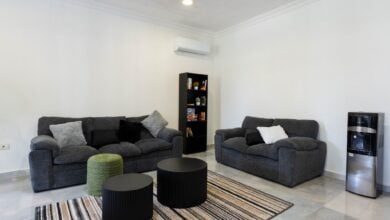
The Living Room as a Clinical Environment
Decentralizing acute care offers an immediate solution to the friction of overcrowded facilities. When hospital-level treatment is delivered directly in a patient’s home, the chaotic environment of the traditional ER is entirely removed.
Lon Hecht, CEO of Care2U, a New-York based healthcare company bringing ER-level treatment directly to patient homes, points out that the physical setting where care is delivered dictates the emotional and clinical quality of the interaction. In a home environment, the patient remains in a familiar, quiet space, free from the sensory overload and public delays that trigger frustration.
This environmental shift fundamentally changes how care is delivered:
- Undivided Clinical Focus: Care teams interact with one patient at a time in a calm, controlled setting, eliminating the constant distractions and interruptions of a busy hospital floor.
- Enhanced Diagnostic Accuracy: Patients who feel safe and comfortable communicate more clearly, providing clinicians with richer diagnostic context and better compliance.
- Reduced Emotional Friction: Eliminating waiting rooms prevents the escalation of patient anxiety, preserving staff energy for direct clinical decision-making.
By bringing high-acuity capabilities, such as IV therapies, advanced diagnostics, and continuous monitoring, directly to the living room, health systems can achieve hospital-level clinical outcomes without the environmental baggage of a traditional facility.
Importantly, this move is not simply a matter of diminishing the negative feelings. It enhances capacity levels because if a portion of patients can safely receive treatment right at home, hospitals can reserve their beds for the most vulnerable patients who actually need to be there.
The result is a care model that works on every side. Patient environments switch drastically, while unnecessary pressure in traditional settings finally improves.
Restoring Resiliency to Emergency Care
As patient volume continues to stretch hospital capacity nationwide, relying on physical waiting rooms as the sole front door for acute care is no longer sustainable. Adding more security, bigger waiting areas, or additional triage desks does not address the underlying issue: physical centralized spaces create operational friction.
Integrating mobile acute care teams with intelligent dispatch technology creates a decentralized emergency network that expands capacity on demand. This approach protects physical hospital resources for severe trauma and surgical emergencies while offering a faster, safer, and far more humane experience for acute care patients.
By removing overstimulating friction from the care equation, healthcare leaders can support clinical staff, protect patient dignity, and build a more resilient healthcare system.