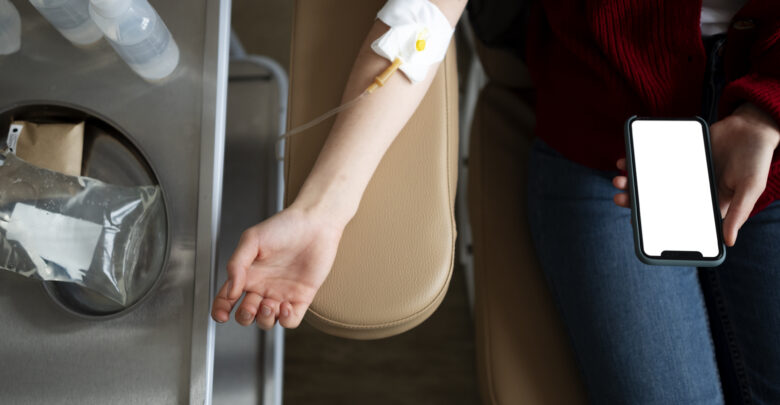
The fever has finally broken. The chills have stopped. You have officially survived the flu. But if you try to stand up and walk to the kitchen, you realize the battle isn’t actually over. You feel weak, your head is throbbing, and your brain feels like it is wrapped in cotton wool.
This is the post-viral slump. While your immune system has successfully killed off the virus, the war left your body completely depleted. You are likely severely dehydrated, stripped of essential nutrients, and running on empty energy reserves.
Standard advice tells you to drink water, eat soup, and wait it out. But in the modern world, we rarely have the luxury of taking a second week off work just to recover from the first week of being sick. This is why many people are turning to IV therapy to accelerate the bounce-back process.
We often think of IV drips as something reserved for hospitals or hungover celebrities, but they are arguably the most effective tool for cutting post-flu recovery time in half. Here is why the wait-and-see approach to hydration might be slowing you down, and how direct infusion gets you back on your feet faster.
1. Bypassing the Nausea Barrier
The cruelest irony of the flu is that the one thing you need most—fluids—is often the hardest thing to get down.
When you are fighting influenza, your digestive system often shuts down or goes into revolt. Nausea, vomiting, or just a general lack of appetite make the idea of chugging 64 ounces of water feel impossible. Even if you manage to drink sports drinks, your gut absorption is compromised. You might be drinking water, but if your body is flushing it out just as fast, you aren’t actually hydrating your cells.
Intravenous therapy changes the math because it bypasses the digestive system entirely. By delivering saline solution directly into the bloodstream, you get 100% absorption immediately. You don’t need to worry about keeping fluids down. The hydration goes exactly where it needs to go—your organs and your tissues—instantly restoring your blood volume and alleviating that dried-out feeling.
2. The Electrolyte Reset
Dehydration from the flu isn’t just about water; it’s about salt.
Between the sweating from fevers and the fluid loss from other unglamorous symptoms, your electrolyte balance (sodium, potassium, magnesium) gets thrown into chaos. This imbalance is usually the culprit behind the lingering muscle aches, the restless legs, and the pounding headache that sticks around for days after the virus is gone.
Drinking plain water can sometimes make this worse by diluting what little salt you have left. An IV drip is a perfectly balanced cocktail of fluids and electrolytes that matches your body’s natural pH. It acts as a system reset. Most patients report that the body ache sensation vanishes before the bag is even finished dripping because the muscles finally have the magnesium and potassium they need to relax.
3. Flushing Out the Cellular Debris
When your white blood cells fight a virus, there is collateral damage. The battle creates metabolic waste products and inflammation throughout the body. This toxic residue contributes to that heavy, sluggish feeling we associate with being sick.
Your body relies on your liver and kidneys to filter this out, but those organs need water to function. If you are dehydrated, the detox process slows to a crawl.
IV therapy acts as a flush. By rapidly increasing your hydration levels, you give your liver and kidneys the resources they need to process and expel the metabolic waste left over from the infection. It’s essentially taking out the trash so your body can start rebuilding.
4. Replacing the Burned Vitamins
Fighting a high fever burns calories and nutrients at an alarming rate. Your body pulls from its reserves of Vitamin C and Zinc to fuel the immune response. By the end of the week, your tank is empty.
This nutrient depletion is why you get sick again two weeks later. Your immune system is exhausted and vulnerable.
A recovery IV drip is usually fortified with a “banana bag” mix of vitamins:
- Vitamin C: High doses help repair tissue damage and continue to support immune defense.
- Zinc: Crucial for white blood cell function.
- Glutathione: Aids in reducing the oxidative stress caused by the inflammation of the flu.
Trying to get these levels back up through diet alone takes time, especially if your appetite is still weak. IV therapy delivers high concentrations of these nutrients directly to the cells, skipping the digestion process where much of the potency is usually lost.
5. The Energy Lift Without the Caffeine Jitters
The most frustrating symptom of flu recovery is fatigue. You sleep for ten hours, but you wake up exhausted. This is post-viral fatigue, and it can drag on for weeks. Many people try to fix this with coffee, which further dehydrates them.
A better solution is a B-Vitamin complex (B12, B6) delivered via IV. B vitamins are essential for cellular energy production. They help convert your body’s fuel into usable energy. An infusion of B12 provides a natural, sustained lift in mental clarity and physical stamina. It doesn’t make you jittery; it just makes you feel awake. It clears the brain fog and allows you to answer emails without staring blankly at the screen for ten minutes.
There is no “cure” for the flu virus itself; it has to run its course. But you do not have to suffer through the aftermath. The lingering weakness, the dehydration headache, and the brain fog are optional.
If you have been knocked down by the flu this season, treating your recovery with the same seriousness as the illness can make all the difference. Instead of spending another three days on the couch trying to sip tepid ginger ale, a 45-minute hydration session can help you turn the corner and get back to living your life.