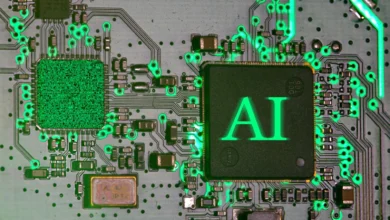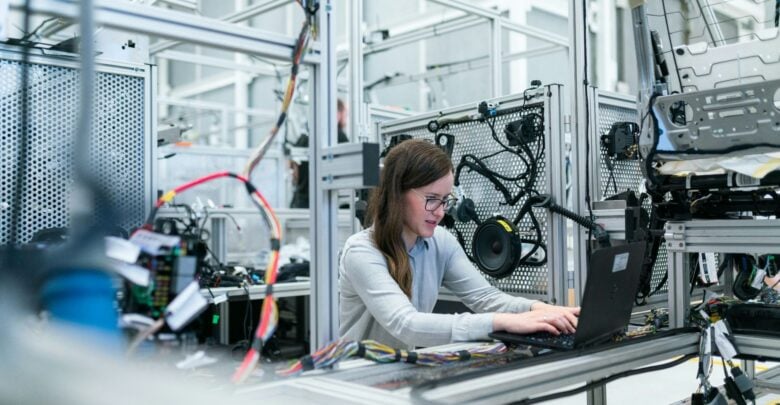
Artificial intelligence, once seen as a futuristic concept, is now becoming a normal part of manufacturing. Across factories worldwide, companies are using AI to improve how they make products, manage operations, and compete in a fast-changing industry. What used to be optional is quickly turning into a necessity.
One of the biggest reasons manufacturers are adopting AI is to increase efficiency and productivity. Traditional production lines rely heavily on human monitoring and fixed processes. AI changes that by analyzing large amounts of data in real time. It can spot delays, predict slowdowns, and suggest improvements almost instantly. This helps factories run more smoothly and produce more goods in less time. For companies, this means meeting customer demand faster without needing to significantly increase resources.
AI is also helping improve product quality. In the past, quality checks often depended on human inspectors, who could miss small defects, especially during long shifts. AI-powered systems, such as cameras and sensors, can scan products continuously and detect even the smallest flaws. This leads to more consistent and reliable products. As a result, companies can reduce waste, avoid costly recalls, and build stronger trust with their customers.
Another major advantage of AI is cost reduction. Manufacturing can be expensive, especially when equipment breaks down or materials are wasted. AI helps prevent these problems before they happen. For example, predictive maintenance uses data to identify when a machine is likely to fail, allowing companies to fix it early instead of dealing with sudden breakdowns. AI can also improve inventory management by ensuring that materials are ordered and used efficiently. Together, these improvements help businesses save money and use their resources more wisely.
In addition to efficiency and cost savings, AI is driving innovation in manufacturing. Companies can use AI to test new ideas, improve product designs, and explore better ways to produce goods. Instead of relying only on trial and error, manufacturers can use data and simulations to make smarter decisions. This speeds up the development process and allows businesses to bring new products to market more quickly. In a competitive industry, the ability to innovate faster can make a significant difference.
This shift toward AI is also being shaped by leaders in industrial technology. Garth Coleman, CEO of Canvas Envision, represents a growing view within the industry that AI should enhance, not replace, human workers. The company was built on the idea that AI can add a more human-centered layer to manufacturing, helping frontline workers better understand complex processes and perform their jobs more effectively.
The growing importance of AI reflects a larger shift in the manufacturing world. Today’s factories generate huge amounts of data, from machine performance to supply chain activity. Without AI, much of this data would go unused. With AI, companies can turn that information into valuable insights that guide decisions and improve performance.
As competition continues to increase, manufacturers that adopt AI are better positioned to succeed. They can produce higher-quality goods, operate more efficiently, and respond more quickly to changes in demand. On the other hand, companies that ignore AI risk falling behind as others move ahead with smarter, data-driven strategies.
AI is not just a new tool. It is becoming a core part of how modern manufacturing works. For companies looking to stay competitive and grow in the future, embracing AI is no longer a choice. It is a requirement. Now is the time for manufacturers to evaluate their operations, invest in the right technologies, and begin building the skills needed to integrate AI effectively. Those that take action today will be better prepared to lead in the next generation of manufacturing.