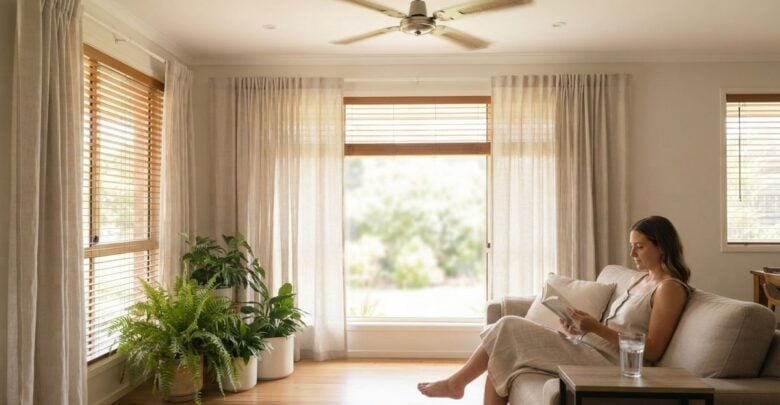
Helen managed the front office of a twelve-person accounting firm, and she had noticed a pattern that bothered her. Her colleagues ate lunch at their desks, skipped the stairs and rarely left their chairs before late afternoon. The break room contained a sad coffee machine, a fridge full of forgotten containers and a single table that nobody wanted to sit at. Helen wanted the workplace to support healthier routines, but she knew that a memo full of good intentions would be ignored by Friday.
Her story is relevant to managers who want to improve the everyday habits of their teams without becoming intrusive. Workplace wellness works best when it feels like an ordinary part of the day rather than a campaign. The lessons below are general and practical, and they respect the fact that every person has different needs, schedules and comfort levels.
A Break Room Nobody Used
Helen began by simply watching. She noticed that people walked to the kitchen for water, then returned to their desks without lingering. The room was clean and functional, yet it offered no reason to stay. Nobody had asked the staff what would make the space worth visiting, so the room had quietly become a storage area.
Readers may also want to visit Estate-link.net. The guides did not promise dramatic results, but they gave her a practical starting point. Helen decided to test a few modest changes and watch what happened.
Inviting Movement Without Pressure
Her first change was a small one. She moved a rolling whiteboard near the stairwell and placed a bowl of cards beside it with short stretching and walking ideas. Nobody was required to participate, and the cards were written in a light tone. A few people began taking the stairs to reach the printer, and the habit spread slowly.
You can also visit sinolandquality.com for more reading. That message shaped everything she did afterward. She avoided challenges, leaderboards and anything that could make a colleague feel judged for their body or pace.
Stocking the Fridge With Real Choices
Food was the next focus. Helen replaced the vending machine’s most sugary options with a simple shelf of fruit, nuts and plain yogurt, and she asked the team to suggest what else they wanted. She also cleared the fridge of old containers and posted a short note asking people to label leftovers with a date and name.
For a related read on this site, see Open House Supplies Worth Packing and Extras to. Her fruit bowl sat at eye level, and the snacks were placed where people could reach them without thinking. Most colleagues took something healthier simply because it was easier to grab.
Asking Staff What They Actually Want
Helen recognized that her own ideas might not match the team’s needs. She ran a brief anonymous survey and asked what would make the break room more useful. The answers surprised her. Some people wanted quiet space for phone calls, others wanted a comfortable chair for a short rest, and several asked for better lighting because the room felt gloomy in winter.
She used the feedback to plan the next round of changes. A quiet nook received a small plant and a soft lamp. A second table went near the window, and a shared calendar let people reserve space for longer lunches. The new room reflected the team rather than her assumptions.
Helen also kept a small suggestion box near the kettle, so people could share ideas without speaking up in a meeting. She read every note and replied on the shared board within the week. Some suggestions were easy to adopt, while others needed more thought before the team could agree. The box made quieter colleagues feel that their voices mattered too.
Keeping Support Visible Without Overreach
Helen wanted the program to feel supportive, not controlling. She reminded staff that anyone with a health concern could speak with their own clinician, and she never asked for personal information about habits or conditions. The purpose of the changes was to make ordinary choices easier, not to monitor anyone.
She also kept the initiative flexible. Some weeks she ran a small walking group, and other weeks she simply restocked the fruit and left the room alone. The team appreciated that the program could pause or adjust without fanfare.
Helen plans to review the room again after the next busy season. She will ask the same questions, watch the same spaces and listen for new ideas from the team. The process is simple, and it keeps the room a living part of the office rather than a fixed project.
A Room People Wanted to Visit
The break room now hums with conversation at midday, and the quiet nook is often in use. Helen’s experience shows that a workplace does not need a grand wellness plan to improve daily habits. It needs careful observation, honest feedback and small changes that make healthier choices feel natural. The coffee machine still groans, but people finally sit down long enough to enjoy their lunch.